

ICE Drawdown in Minneapolis Leaves Lingering Fear Among Immigrant Communities
When border czar Tom Homan declared last week that the Trump administration's surge of immigration agents in Minnesota had concluded, he indicated the drawdown would commence immediately and continue through the week. However, while anecdotal evidence suggests a decrease in Immigration and Customs Enforcement actions around Minneapolis, federal agents remain highly visible, and residents continue to live in terror.
Mayor Frey Reports Persistent Anxiety Despite Fewer Incidents
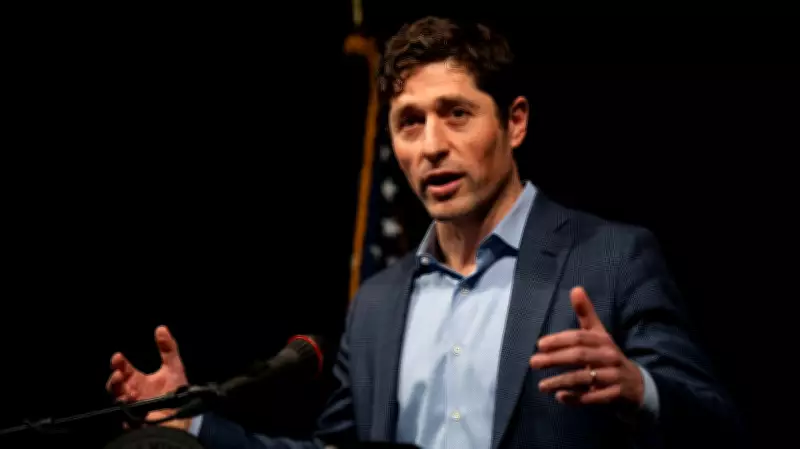
Minneapolis Mayor Jacob Frey stated in a recent interview that the situation "certainly hasn't stopped" and fully understands why people remain on edge. He receives daily reports on ICE activity, but these are not based on objective data since ICE does not share information with his office. Instead, his team monitors 9-1-1 calls from residents reporting incidents like family members being apprehended by federal agents or aggressive tactics such as ICE agents slamming individuals against cars. When police confirm ICE presence at these scenes, they file reports that the mayor's office flags.
Previously, this anecdotal tracking indicated between 10 to 30 ICE actions daily, but over the past few days, numbers have dropped to one or zero. Frey views this as a positive sign but emphasizes it does not materially change the reality for Minneapolis immigrants. Many have been so traumatized by ICE's months-long campaign that they have avoided leaving their homes for eight or nine weeks in some cases. "The report-out numbers we've gotten in the last few days have been in line with a decrease, but again, that doesn't mean that's what the people feel," Frey said. "People are still scared."

Residents and Observers Note Mixed Signals on the Ground
Some residents report little change in their daily experiences. Mary Granlund, chair of the Columbia Heights public schools board, asserted "absolutely not" when asked if she sees a difference. ICE has aggressively targeted this suburb for months, with agents stationed in elementary school parking lots and outside Granlund's home.
Nick Benson, a Minneapolis plane enthusiast tracking ICE deportation flights, observed fewer shackled passengers boarding planes and more children returning to school after weeks of virtual learning due to parental fears. However, he noted a shift in ICE focus from immigrants to legal observers—volunteers who monitor and film federal operations. Local clergy and observers have reported ICE agents camping near churches and homes, a new development. Benson described the situation as moving from an "adrenaline-fueled phase" to a "caffeine-sustained slog," indicating ongoing issues.
Federal Silence and Local Denials of Deals
A Department of Homeland Security spokesperson declined to comment on the number of ICE agents still in Minneapolis or when levels might return to the pre-surge figure of approximately 150 agents. "For the safety of our law enforcement, we do not disclose operational details while they are underway," the spokesperson stated.
Mayor Frey confirmed he has not spoken to Homan since the day before the drawdown announcement and has only had one phone call with President Donald Trump, following the fatal shooting of ICU nurse Alex Pretti in late January. He vehemently denied speculation that local officials cut a deal with Homan involving police cooperation with ICE for deportations. "No deal," Frey insisted. "Literally, there was no deal." He clarified that while city officials collaborate with federal agencies on safety and crime reduction, they do not enforce federal immigration law, a stance reinforced by a "fact check" on the city government's website.
City Initiatives and Personal Reflections on Trauma
Looking forward, Frey plans to continue protecting immigrants from aggressive and unlawful ICE operations through city initiatives such as:

- "Know your rights" campaigns
- Food delivery services
- Mental health supports
- Rental assistance for affected immigrants
The city has also established a task force to facilitate information exchange among community organizations aiding immigrants, though officials are cautious about data collection to avoid potential federal data requests.
Reflecting on the past months, Frey recalled poignant moments, including being interrupted during his child's dance class by news of Pretti's death and encountering tearful Latino staff at a coffee shop pleading for help against ICE fears. "That hits you," he said. "It stays with you." These experiences underscore the deep-seated trauma persisting in Minneapolis despite announced changes in federal enforcement.





