

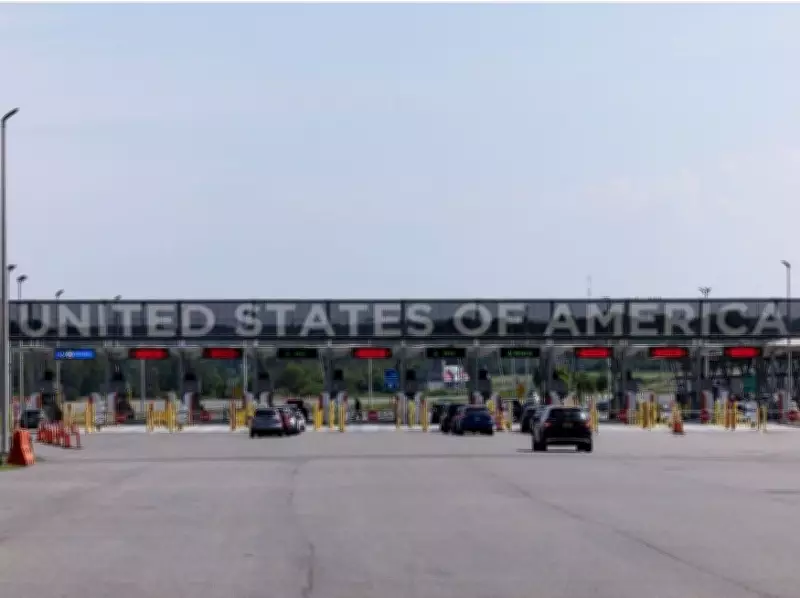
Canada Updates Travel Guidance for Indigenous Peoples Crossing U.S. Border
In a significant shift, Global Affairs Canada has revised its travel advice for First Nations peoples, indicating that Secure Certificate of Indian Status (SCIS) cards, commonly referred to as status cards, may no longer be sufficient for crossing into the United States. The updated guidance strongly recommends that Indigenous Canadians also carry a valid passport when traveling by land or water.
New Advisory Details and Historical Context
The new advisory states, "You may be able to cross the Canada-U.S. border by land or water with your Secure Certificate of Indian Status (SCIS), also known as a secure status card. However, the acceptance of all status cards is entirely at the discretion of U.S. officials." It emphasizes the use of machine-readable secure status cards and underscores that status cards are not accepted for air travel, requiring alternative documentation at airports.
This change marks a departure from longstanding practices rooted in the 1790s Jay Treaty, which, along with U.S. federal law, has historically allowed "native Indians born in Canada" to enter the United States for purposes such as employment, study, retirement, investing, or immigration. However, this entitlement comes with a condition: individuals must prove at least a 50% blood quantum, as noted in the revised advice.

Reasons Behind the Updated Guidance
The update follows recent U.S. initiatives to tighten border security and crack down on illegal immigration, which have raised concerns among Indigenous communities. The Assembly of First Nations has issued warnings, with National Chief Cindy Woodhouse Nepinak reporting at least one negative encounter involving U.S. Immigration and Customs Enforcement. Additionally, Indigenous Services Canada has noted instances of status cards being confiscated or damaged by U.S. officials, prompting calls for increased caution.
Global Affairs Canada's move aims to ensure smoother border crossings and reduce potential disruptions for First Nations travelers. The advisory serves as a proactive measure to align with evolving U.S. enforcement practices, while still acknowledging the historical treaties that govern cross-border movement.
Implications for Indigenous Travelers
For Indigenous Canadians, this change necessitates carrying multiple forms of identification, potentially complicating travel plans. The recommendation to have a passport on hand highlights the importance of preparedness in light of discretionary powers held by U.S. border officials. This development underscores the need for ongoing dialogue between Canadian and U.S. authorities to uphold treaty rights while addressing security concerns.
As border policies continue to evolve, First Nations individuals are encouraged to stay informed and comply with the latest travel requirements to avoid delays or issues at crossing points.






