

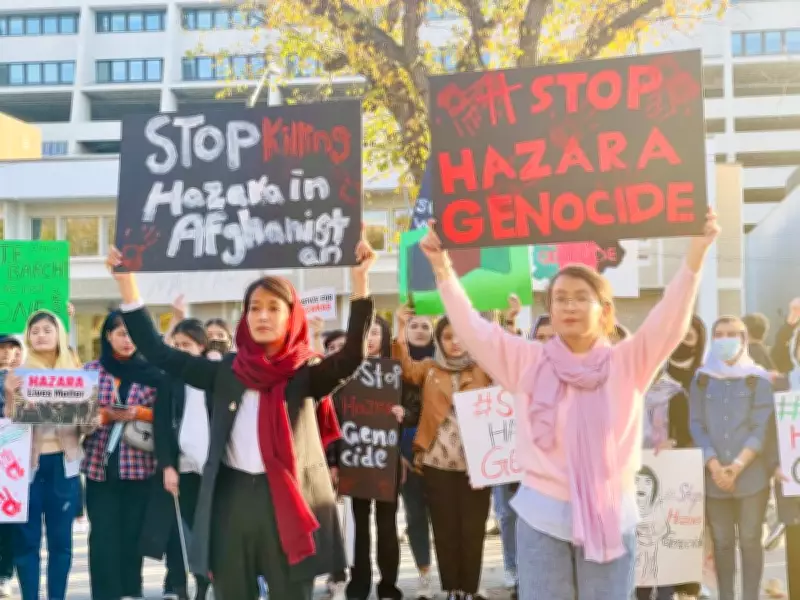
Canada's Critical Crossroads: Protecting Hazara Refugees from Escalating Persecution
As the world celebrated the arrival of a new year with hopes for renewal and safety, thousands of Hazara refugees from Afghanistan stranded in Pakistan faced a starkly different reality. Instead of optimism, they confronted deepening fear that Canada's protective embrace might be quietly withdrawing at the very moment they need it most.
Hard-Won Recognition Undermined by Political Process
In 2024, after years of persistent advocacy led by Canadian Hazara Humanitarian Services, Canada's parliamentary subcommittee on international human rights achieved a significant milestone. The subcommittee formally recognized the mass atrocities committed against the Hazara people by the Taliban government and extremist groups in Afghanistan. This acknowledgment represented a crucial victory for a community that has endured systematic persecution.
However, the prorogation of Parliament in early 2025 effectively erased this progress, allowing the government to bypass its obligation to respond to the subcommittee's findings. The machinery of procedural politics ultimately overrode a clear moral imperative: the urgent need to translate formal recognition of persecution into immediate, life-saving asylum for those facing the greatest danger.

Escalating Danger for a Vulnerable Population
Since the Taliban's return to power in 2021, the peril facing Hazara communities has intensified dramatically. The United Nations has consistently documented that Shiite minorities, particularly Hazaras, are being specifically targeted by Taliban authorities. Forcing a member of this community to return from Iran or Pakistan to Taliban-controlled Afghanistan represents far more than a routine administrative procedure—it constitutes a direct delegation to grave danger.
The walls are closing in from multiple directions. Following the 12-day war of June 2025, Iran deported over 1.5 million Afghanistani nationals. In a desperate search for internal scapegoats, Iranian authorities are explicitly branding Hazara refugees as foreign spies—a pretext that can prove lethal. To be Hazara in Iran today means being a marked individual, trapped between a regime that treats their ethnicity as evidence of espionage and a Taliban homeland that views their faith as heresy.
Pakistan's Relentless Crackdown on Afghan Refugees
Pakistan's campaign against undocumented Afghanistani nationals has been equally relentless. Authorities demand valid visas while simultaneously refusing to issue them, creating an impossible situation for refugees. Police raids, arbitrary detentions, and mass deportations have become routine occurrences. Loudspeakers at mosques warn citizens not to shelter Afghanistanis, while children are detained in the streets and parents hide indoors, terrified that any knock on the door might lead to forced removal.
Canada's Contradictory Position and Policy Changes
Canada's government has acknowledged the unique vulnerability of Hazaras in parliamentary hearings and policy briefs, yet thousands of Afghanistani nationals who followed established rules remain stranded, watching lawful pathways erode beneath their feet. In late 2024, the government paused the Groups of Five sponsorship program and sharply reduced intake for sponsorship agreement holders—precisely the community-driven tools that have traditionally defined Canada's humanitarian character.
As Bill C-12 moves toward Senate review this month, it seeks "flexibility" to manage the immigration system, granting government unprecedented power to eliminate entire pathways or application categories. While administrative flexibility has value, implementing such measures without adequate safeguards risks undermining the rule-of-law principles that Canada champions internationally. A nation governed by law cannot reasonably change the rules after people have staked their lives on established procedures.

The Moral Imperative for Canada
The situation presents Canada with a fundamental test of its humanitarian values and international commitments. The country faces a choice between maintaining its reputation as a global leader in refugee protection or allowing procedural delays and policy changes to override moral obligations to those fleeing persecution. For Hazara refugees, this distinction represents the difference between safety and unimaginable danger.





