

White House Border Czar Terminates Minnesota Immigration Crackdown Amid Public Outcry
In a significant policy reversal, White House border czar Tom Homan has declared an end to a contentious immigration enforcement operation in Minnesota. This decision comes in the wake of widespread angry protests and two fatal shootings that have intensified debates over immigration tactics and public safety.
Escalating Tensions Lead to Operational Shutdown
The crackdown, which targeted undocumented immigrants in the state, sparked fierce opposition from community groups and activists. Demonstrations grew increasingly heated, culminating in violent incidents that resulted in two deaths. These shootings, occurring during the protests, raised serious concerns about the operation's impact on local stability and civil liberties.
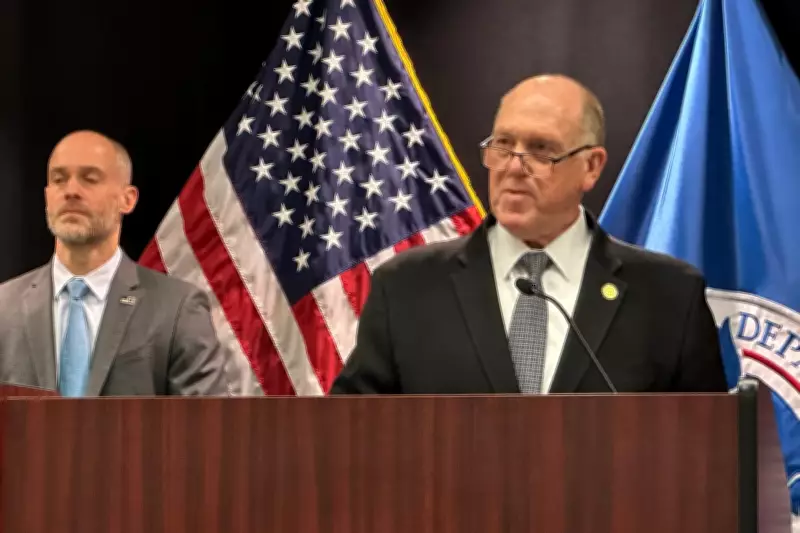
Homan, who held a news conference at the Bishop Whipple Federal building in Minneapolis earlier this month, cited the need to de-escalate the situation as a primary reason for halting the enforcement actions. "After careful review of the circumstances, we have decided to conclude this phase of operations," he stated, emphasizing a shift toward reassessing strategies to balance enforcement with community relations.

Background and Implications of the Crackdown
The immigration crackdown was part of broader federal efforts to address undocumented immigration, but its implementation in Minnesota faced unique challenges. Critics argued that aggressive tactics were fueling fear and division, while supporters maintained it was necessary for national security. The protests highlighted deep-seated frustrations over immigration policies, with participants calling for more humane approaches.
The two fatal shootings, which remain under investigation, have added a tragic dimension to the controversy. Authorities are probing whether they were directly linked to the enforcement activities or broader social tensions. This has prompted calls for greater transparency and accountability in how such operations are conducted.
Looking Ahead: Policy Reforms and Community Impact
With the crackdown now over, attention turns to potential policy reforms and healing within affected communities. Homan indicated that future initiatives may focus on collaborative efforts with local agencies to address immigration issues without inciting violence. This move could signal a broader reevaluation of enforcement methods under the current administration.
Residents and advocates in Minnesota have expressed relief at the decision, hoping it marks a step toward more constructive dialogue. However, some remain wary, urging continued vigilance to ensure that similar crackdowns do not resurface. The incident underscores the complex interplay between federal immigration enforcement and local dynamics, with implications for similar operations nationwide.






