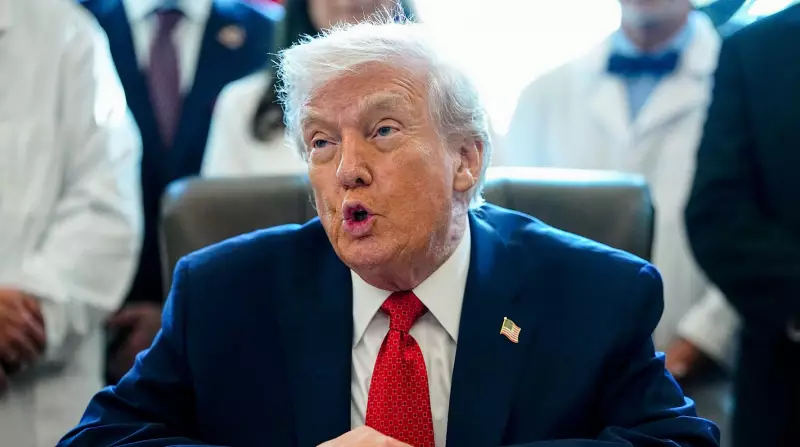
In a significant move that could reshape federal drug policy, President Donald Trump signed an executive order on Thursday that paves the way for reclassifying marijuana as a less dangerous substance. This action marks a notable step toward aligning federal law with the policies of numerous states that have already legalized cannabis for medical or recreational use.
A Shift from Schedule I to Schedule III
The order sets in motion a process to move marijuana away from its current classification as a Schedule I drug, a category it shares with substances like heroin and LSD. Instead, cannabis would be designated a Schedule III substance, placing it alongside drugs such as ketamine and certain anabolic steroids. It is crucial to note that this reclassification by the Drug Enforcement Administration (DEA) would not legalize recreational marijuana nationwide for adults. However, it would fundamentally alter how the drug is regulated and could provide substantial financial relief to the cannabis industry by reducing a hefty tax burden.
President Trump stated he was motivated by public support, particularly from those seeking medical relief. "We have people begging for me to do this. People that are in great pain," he remarked, highlighting the potential benefits for patients.

Political Landscape and Opposition
This policy shift echoes a proposal from the Justice Department under Trump's Democratic predecessor, Joe Biden. However, unlike Biden, Trump did not receive broad, open encouragement from his own party. The move has exposed a rift among Republicans. More than 20 Republican senators, including staunch Trump allies, signed a letter earlier this year urging the president to maintain marijuana's Schedule I status. Led by North Carolina Sen. Ted Budd, the group argued that marijuana remains dangerous and that rescheduling would undermine public safety and public health, while potentially benefiting foreign actors like Communist China in the global cannabis market.
The reclassification process is typically arduous, involving a public comment period that has already drawn tens of thousands of responses across the United States. The DEA was still reviewing the matter when Trump took office in January. His executive order is expected to accelerate the process, though a definitive timeline remains unclear.
Broader Context and Implications
This potential federal change occurs against a backdrop where many states have already legalized adult recreational use or medical marijuana, creating a conflict with stricter U.S. laws that leave individuals open to federal prosecution. Public opinion has shifted dramatically, with Gallup polling showing support for legalization jumping from 36% in 2005 to 68% last year.
Trump's order also calls for expanded research and access to CBD, the legal hemp-derived product. Dr. Mehmet Oz, head of the Centers for Medicare and Medicaid Services, announced a new Medicare program that would allow older adults to access legal hemp-derived CBD at no cost with a doctor's recommendation.
While focusing on marijuana reclassification, President Trump has maintained a hardline stance against other drugs. He has made combating fentanyl a feature of his second term, even signing an order declaring it a weapon of mass destruction and authorizing military action against vessels suspected of trafficking drugs.
Regarding full decriminalization, Trump has historically not committed to such a step, previously stating it should be a state-by-state issue. This executive order represents a targeted, administrative approach to reforming federal cannabis policy.