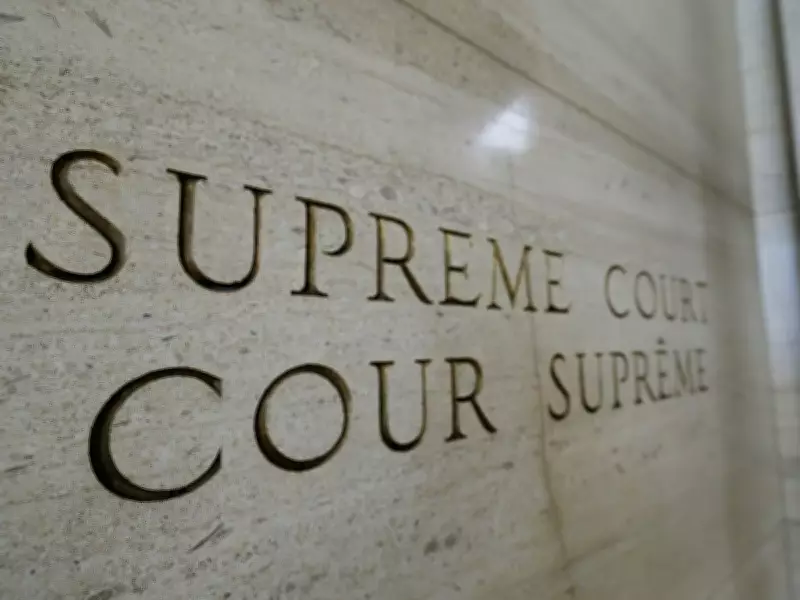
The Supreme Court of Canada is set to release a landmark decision today on whether victims of family violence can sue former spouses for damages resulting from a pattern of emotional and physical intimate-partner abuse. The ruling, expected at 9:45 a.m., has been described by legal experts as a defining moment in the intersection of tort law and family violence.
Background of the Case
The case involves Kuldeep Kaur Ahluwalia and her ex-husband Amrit Pal Singh Ahluwalia. The couple married in 1999 and separated in 2016 after Ms. Ahluwalia endured repeated instances of violent physical, emotional, and financial abuse. Following the separation, she filed a lawsuit seeking damages linked to the intimate-partner violence.
In a 2020 decision, Ontario Superior Court Justice Renu J. Mandhane found that the marriage was characterized by a pattern of emotional and physical abuse and financial control. Justice Mandhane created a new tort of family violence and awarded Ms. Ahluwalia $150,000 in damages. The creation of a new tort in family law is exceptionally rare.

Appeal and Supreme Court Review
The Ontario Court of Appeal overturned that decision in 2023, ruling that a new tort was unnecessary because existing claims such as assault and battery could address Ms. Ahluwalia's grievances. The appeals court also reduced the damages award to $100,000. Ms. Ahluwalia then appealed to the Supreme Court of Canada, which heard the case nearly 18 months ago. The delay in issuing a decision suggests a divided court grappling with whether to uphold the appellate ruling or confirm the new tort.
During the Supreme Court hearing, the federal government expressed support for the creation of a new tort for family violence, although it has never legislated one. This raises the perennial question of whether courts should create new remedies for misconduct or leave that task to legislators.
Implications of the Decision
Legal observers note that the outcome could significantly impact how family violence cases are handled in Canada. If the Supreme Court upholds the new tort, it would provide a direct legal avenue for victims to seek damages for patterns of abuse. Conversely, if it rejects the tort, victims may need to rely on existing causes of action, which some argue are inadequate for capturing the full scope of family violence.
The decision is expected to be closely watched by family law practitioners, victim advocacy groups, and policymakers. Regardless of the outcome, the case underscores the ongoing debate about the role of the judiciary in addressing social issues through tort law.