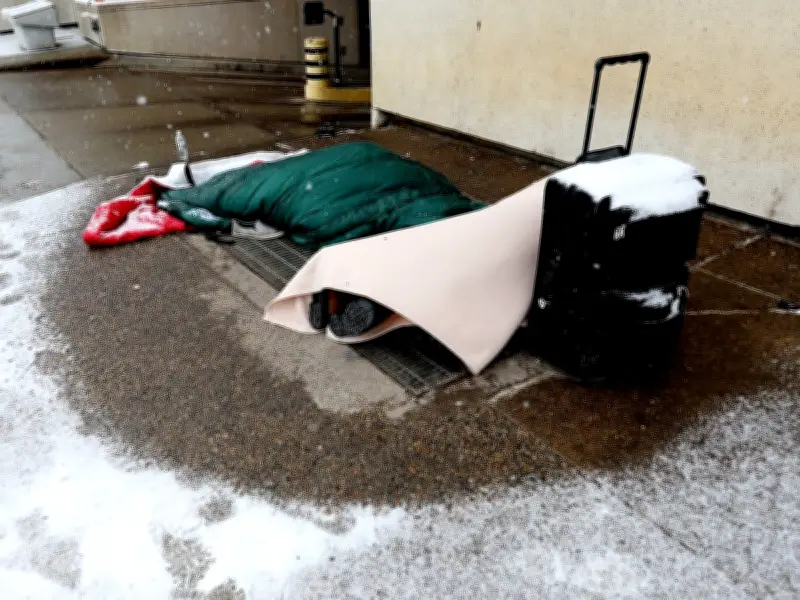
A new report by the Alberta Office of the Child and Youth Advocate (OCYA) reveals that more than 100 youths were homeless in some capacity in 2025, urging the province to strengthen supports for vulnerable children and young adults.
Key Findings
In 2025, the OCYA released 68 reviews into the deaths or serious injuries of children and youth. Of these, 42 had been unhoused, with 32 staying in shelters or outdoors. Alberta's child and youth advocate Terri Pelton emphasized that many young people experiencing homelessness had prior involvement with child intervention or youth justice systems.
“Youth homelessness must end,” Pelton said.

Root Causes
According to the report, many young people became homeless with their families or due to family breakdown involving conflict, neglect, abuse, or parents unable to address complex needs. Some youths were told to return home despite unresolved issues.
“It is crucial that young adults from 18 to 24 years old also have access to shelter services that meet their developmental needs and connect them to resources,” the report stated.
Voices of Youth
The OCYA engaged with 156 young people aged 12 to 24 who were previously or currently homeless, and 170 stakeholders. One youth, first homeless at age eight, shared their story. Another, kicked out at 14 after fighting back against an abusive father, now stays with friends or at a shelter at age 18.
“Many of us didn’t choose this,” a 20-year-old said. “We aged out of systems, ran from unsafe homes, lost support, or just slipped through the cracks.”
Recommendations
The report provides four recommendations:
- Develop a youth-specific homelessness strategy with increased data collection and public reporting.
- Increase capacity within youth shelters to provide specialized support.
- Ministries of children and family services, mental health and addiction, and arts, culture, and status of women should publicly report on efforts to prevent youth homelessness, including targeted prevention, early intervention, and family support.
- Align housing supports under the Transition to Adulthood Program (TAP) with the housing pillar from the Equitable Standards for Transitions to Adulthood for Youth in Care.
More details are expected as the report is further discussed.