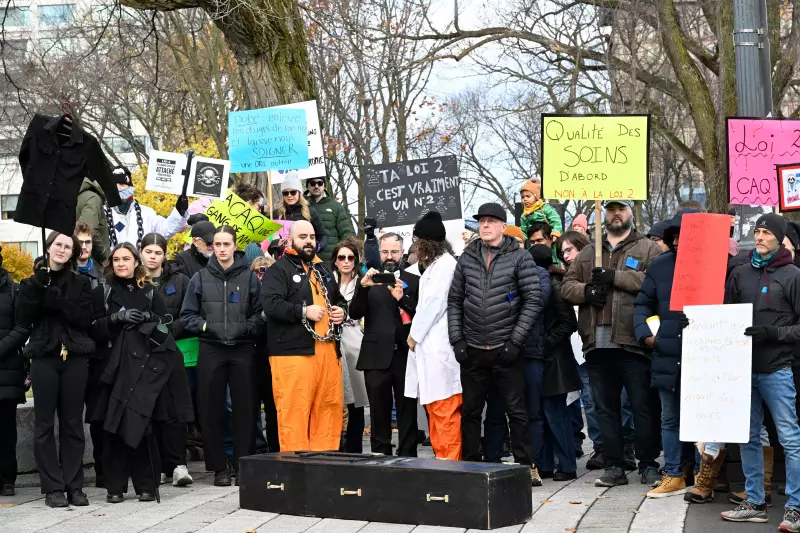
Family doctors across Quebec have begun a crucial vote on a new proposed agreement with the provincial government. This comes after the government, facing significant pressure, reversed course on a set of contentious reforms that would have altered how physicians are paid for their services.
A Province in Protest: The Backdrop of the Vote
The vote, which commenced in mid-December 2025, is the latest chapter in an ongoing dispute over the future of primary care in Quebec. The situation reached a boiling point in early November when hundreds of doctors and supporters demonstrated in front of the legislature in Quebec City. They were protesting a law that proposed sweeping changes to physician remuneration, a move many argued would destabilize the healthcare system and worsen the family doctor shortage.
Faced with this sustained opposition and the prospect of further destabilization, the provincial government opted to backtrack. Instead of imposing the reforms, it returned to the negotiating table with physician representatives. The result is the tentative deal now being presented to the approximately 10,000 general practitioners who are members of the Fédération des médecins omnipraticiens du Québec (FMOQ).

What's at Stake in the New Agreement
While the full details of the new tentative agreement have not been made fully public, it is understood to represent a significant compromise from the government's original position. The initial reforms, which were passed into law, aimed to tie a greater portion of a doctor's pay to the number of patients on their roster and the complexity of services provided.
Critics, including many front-line physicians, warned the model would penalize doctors treating older, sicker patients who require more time per visit. They argued it would create a perverse incentive to prioritize quicker, less complex cases. The new deal is expected to soften these measures, offering more flexible terms and addressing concerns about administrative burden and fair compensation for comprehensive care.
The Path Forward for Quebec Healthcare
The outcome of the vote, expected before the end of the year, will have immediate ramifications for the province's healthcare landscape. A 'yes' vote would ratify the agreement, bringing a measure of stability and allowing doctors and the government to focus on shared goals like reducing patient waitlists and improving access.
A rejection, however, would plunge the system back into uncertainty, potentially leading to renewed conflict and even job action. The government has emphasized that the new deal is a product of negotiation and represents its final offer. For thousands of Quebecers waiting for a family doctor, the result will signal whether a détente has been reached or if further turmoil lies ahead.
The situation underscores the fragile state of primary care in Canada's second-most populous province. The resolution of this dispute is being watched closely as other provinces grapple with similar challenges of physician compensation, patient access, and sustainable healthcare funding.