Ontario Fails to Meet Federal Deadline for Public Nurse Practitioner Funding
In a significant development for healthcare in the province, Ontario has confirmed it will not meet the federal government's deadline to implement public funding for nurse practitioners. This announcement, made by Deputy Premier and Health Minister Sylvia Jones, underscores ongoing challenges in expanding healthcare accessibility and workforce support across Ontario.
Minister Jones Addresses the Funding Shortfall
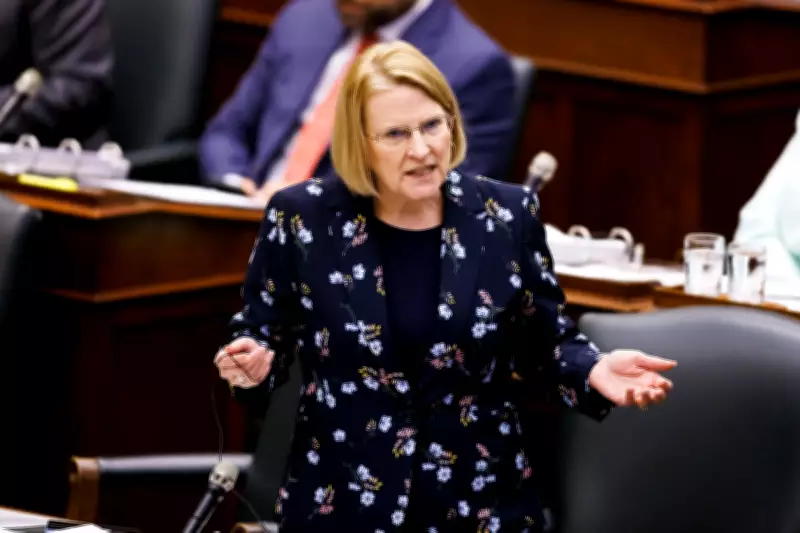
Speaking from Queen's Park in Toronto, Minister Sylvia Jones acknowledged the province's inability to comply with the federally mandated timeline. "While we remain committed to enhancing our healthcare system, the complexities of budget allocation and policy implementation have necessitated a delay," Jones stated during a recent session. This delay is expected to affect plans to integrate nurse practitioners more fully into publicly funded services, potentially impacting patient care in underserved areas.
The federal deadline, part of broader healthcare agreements, aimed to boost the role of nurse practitioners in providing primary care, particularly in rural and remote communities. Ontario's miss means that these practitioners may continue to rely on a mix of public and private funding sources, which could lead to inconsistencies in service delivery and increased out-of-pocket costs for patients.

Implications for Healthcare and Workforce
Experts warn that this delay could exacerbate existing healthcare shortages and strain the province's medical infrastructure. Nurse practitioners, who are advanced practice registered nurses, play a crucial role in diagnosing illnesses, prescribing medications, and managing chronic conditions. Without timely public funding, their ability to operate in publicly funded clinics may be limited, reducing access to care for vulnerable populations.
Key concerns include:
- Increased wait times for primary care appointments as nurse practitioners face funding uncertainties.
- Potential workforce attrition if practitioners seek opportunities in other provinces or private sectors with more stable funding.
- Challenges in meeting healthcare targets set by federal-provincial agreements, which could affect future funding allocations.
Ontario's healthcare system has been under pressure due to factors like an aging population and post-pandemic recovery needs. The delay in funding nurse practitioners adds another layer of complexity to efforts aimed at improving efficiency and accessibility. Minister Jones emphasized that the province is exploring alternative strategies to support these professionals, but no specific timeline or budget details have been provided.
Looking Ahead: Next Steps for Ontario
As Ontario navigates this setback, stakeholders are calling for accelerated action to align with federal expectations. Advocacy groups highlight that publicly funding nurse practitioners could reduce emergency room visits and lower overall healthcare costs by providing more preventative care. The province's next moves will be closely watched, with potential impacts on national healthcare standards and intergovernmental relations.
In the meantime, patients and healthcare providers are urged to stay informed about changes in service availability. Ontario's commitment to revisiting this issue in future budget cycles offers a glimmer of hope, but immediate solutions remain elusive as the deadline passes without compliance.