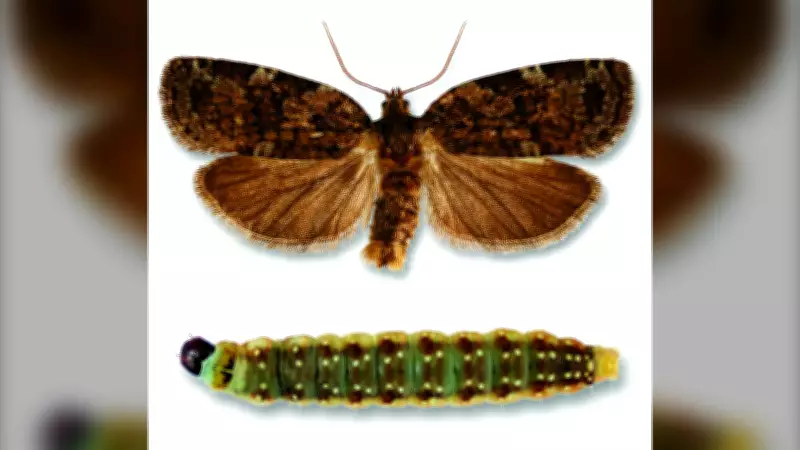
The Nova Scotia government has initiated a treatment program in Cape Breton forests to combat the spread of the eastern spruce budworm, a destructive pest that threatens the region's spruce and fir trees.
Aerial Spraying Underway
Starting this week, aircraft will apply a biological insecticide over approximately 20,000 hectares of forest in Cape Breton. The treatment targets the larval stage of the budworm, which feeds on new growth and can cause widespread defoliation and tree mortality.
Why Cape Breton?
The outbreak has intensified in recent years, with defoliation visible from satellite imagery. Officials say the treatment is crucial to protect the forest industry and biodiversity. The budworm has already affected large areas in Quebec and New Brunswick, and Nova Scotia aims to prevent similar devastation.

Natural Resources Minister Tory Rushton stated, "This proactive measure is essential to safeguard our forests, which are vital to our economy and environment." The government has allocated $15 million for the two-year program.
Residents in treatment zones have been notified, and precautions are in place to minimize exposure. The insecticide used is Bacillus thuringiensis var. kurstaki (Btk), a naturally occurring bacterium considered safe for humans and wildlife but lethal to budworm larvae.
Critics, including environmental groups, have raised concerns about potential impacts on non-target insects. However, the government emphasizes that Btk is specifically effective against caterpillars and breaks down quickly in the environment.
Forestry companies and local communities have welcomed the intervention. "Without treatment, we could lose millions of dollars in timber," said a spokesperson for the Nova Scotia Forest Products Association.
The program will continue through June, with monitoring to assess effectiveness. Future treatments may be needed if the outbreak persists.