

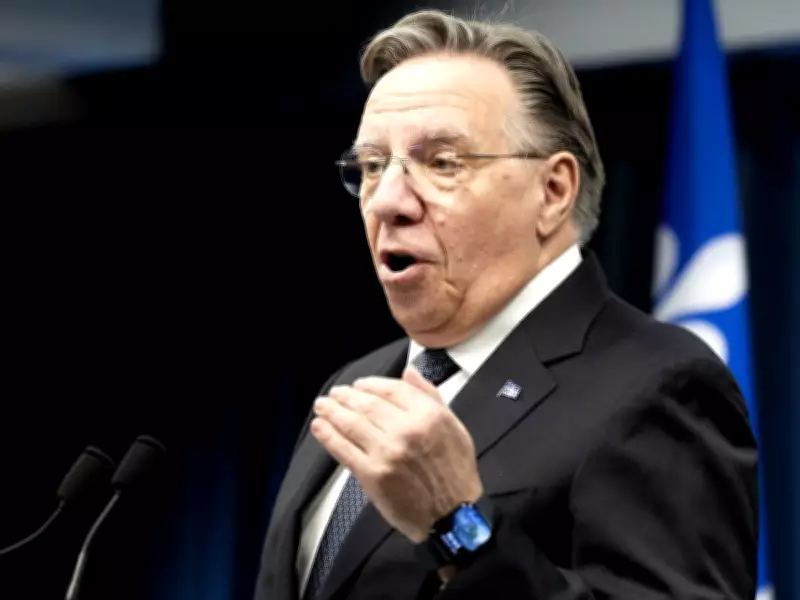
Quebec Premier Stands Firm on Medical Specialist Salary Offer
An exasperated Premier François Legault declared on Thursday that the Quebec government's salary proposal to the province's medical specialists is more than generous, urging an end to the protracted negotiations. "Enough!" Legault told reporters as he arrived for question period at the National Assembly. "Medical specialists, who work full time, earn on average $550,000 a year. We are offering an increase of 11 per cent. That means $600,000 a year. I think this is sufficient. I think Quebecers agree with me."
FMSQ President Counters with Different Numbers
However, moments later, Dr. Vincent Oliva, president of the Fédération des médecins spécialistes du Québec (FMSQ), challenged Legault's figures. Oliva stated that the actual average salary is "below $550,000" and includes office administrative fees that doctors must shoulder. He referenced an independent KPMG study indicating the average wage of a specialist varies between $450,000 and $460,000.
Oliva emphasized that even after adjusting for cost of living differences, Quebec's 11,000 medical specialists are paid less than their counterparts across Canada. He warned that an exodus of specialists has been ongoing for a considerable time, exacerbating healthcare shortages.

Details of the Government's Offer and Union Response
The government's proposed 11 per cent increase over five years is not solely for wages. According to Oliva, it also encompasses funds for running medical practices and organizing healthcare services. The actual wage increase component amounts to only six per cent, a point the FMSQ argues makes the offer less attractive than presented.
In response, the FMSQ announced escalated pressure tactics, including a boycott of the government's online appointment website, the Centre de répartition des demandes de service (CRDS), starting March 16. The union claims the platform is inefficient and problematic for patient care.
The FMSQ has already reduced its initial demand from a 17 per cent increase to 14.5 per cent over five years. Part of this proposed increase would be tied to meeting specific government performance targets, a condition similar to the agreement reached with family doctors in December.
Political Context and Legislative Actions
The dispute follows the controversial Bill 2, which the government forced into law in October 2025 using closure rules, sparking widespread protests from medical professionals. After backing down, Quebec reached a deal with family doctors, granting them a 14.5 per cent wage increase over five years, plus an additional 2.5 per cent contingent on patient care targets.
This reversal came at a political cost, with Health Minister Christian Dubé resigning in protest and now sitting as an independent. Premier Legault handed the health portfolio to new minister Sonia Bélanger, who tabled Bill 19 to formalize the agreement with family doctors and amend parts of Bill 2.
On Thursday, the National Assembly voted 72-4 to adopt Bill 19, with Dubé and three Parti Québécois MNAs opposing. Despite this progress, the situation with medical specialists remains deadlocked, with their contract having expired in 2023.
Accusations of Bullying and Stalled Negotiations
Oliva accused the government of "acting like a bully" at the negotiating table, suggesting that talks are "blocked at the top." He questioned whether the issue has become an "ego thing" for Legault, given the premier's unwavering stance. Legault previously stated that the specialists' demands are not reasonable, further fueling tensions.
As the impasse continues, both sides remain far apart, with the FMSQ pushing for better terms and the government holding firm on its current offer. The outcome will significantly impact Quebec's healthcare system and specialist retention efforts.






