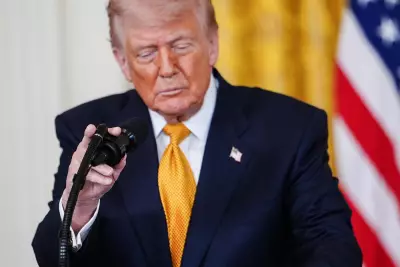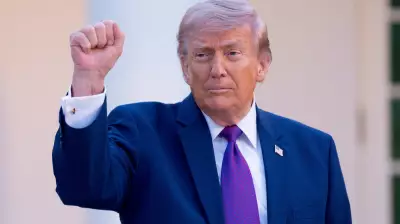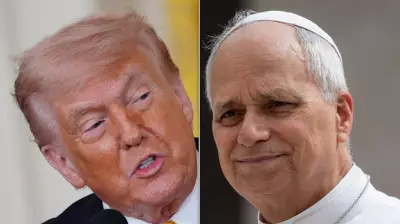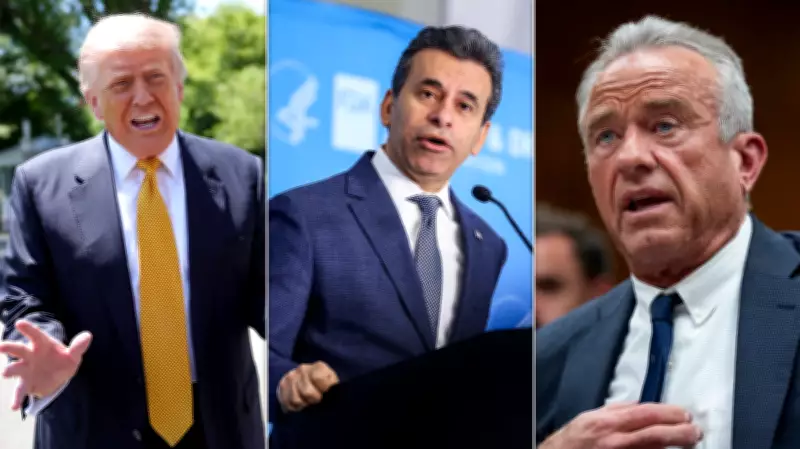
Dr. Marty Makary, the former commissioner of the Food and Drug Administration, resigned on Tuesday, becoming the fifth Senate-confirmed health official to leave their position since early 2025. This departure is part of a growing trend reshaping the federal health landscape under President Donald Trump. As more confirmed officials leave, Trump-appointed replacements have assumed roles as "acting" officials under the Federal Vacancies Reform Act. However, these temporary leaders are not Senate-confirmed like their predecessors, a shift that legal experts argue could compromise public health and safety.
Impact of Acting Officials on Public Health
Lawrence Gostin, a professor at Georgetown University Law Center specializing in global health law, emphasized the risks. "If you don't have a Senate-confirmed candidate, you're in considerable difficulty, because that person is subject to political interference. There is no congressional check on what that person does," he said. The Senate appointment system is designed to ensure that high-ranking officials operate with independent, nonpartisan leadership, providing a check on presidential power. Without Senate hearings and confirmation, acting officials give the president and Health and Human Services secretary enormous authority to prioritize politics over science, directly affecting the health of the American population.
Power Differences Between Confirmed and Acting Officials
There are significant power differences between confirmed and acting officials. Confirmed officials can push back against the president's wishes and can only be removed through a formal process. In contrast, acting officials can be replaced immediately, leaving them with little protection. They also face a 210-day limit on their authority; any actions taken after that period are illegitimate. If the president does not nominate the acting official within 210 days, they must step down, leaving the position vacant. The head of the department may assume essential functions but does not technically fill the seat. Gostin noted that such widespread vacancies at agency and division heads are unprecedented, causing problems because these agencies lack the scientific staff and leadership needed to make evidence-based decisions. "Having this series — a merry-go-round of different acting directors — shows that science isn't driving [the choices]. Politics is," he added.

Current Leadership Vacancies and Acting Officials
Many critical roles determining American public health laws are either vacant or filled with unconfirmed acting officials. The acting FDA commissioner, Kyle Diamantas, and the acting head of the FDA Center for Biologics Evaluation and Research (CBER), Katherine Szarama, did not undergo Senate confirmation. Similarly, Rear Admiral Denise Hinton, who served as acting U.S. Surgeon General in 2025, was not confirmed. Dr. Jay Bhattacharya, while Senate-confirmed as NIH director, is also serving as acting director of the CDC without a Senate mandate. President Trump has since nominated Dr. Nicole Saphier for surgeon general and Dr. Erica Schwartz for CDC director, as neither role has permanent leadership.
These vacancies did not occur overnight but reflect conflicts between science-backed officials and administration priorities. Susan Moranz, former CDC director, was fired in August for not aligning with the president's agenda of "Making America Healthy Again." Dr. Jeanne Marrazzo, former NIAID director, claims she was fired by HHS Secretary Robert F. Kennedy Jr. in October 2025 after clashing over vaccine research. Dr. Peter Marks resigned as head of the FDA's CBER in April 2025 after reportedly disagreeing with Kennedy on vaccine policies. The surgeon general position has remained empty since Dr. Vivek Murthy left in January 2025.

Consequences of Political Influence on Health Decisions
Experts worry that political influence on national health decisions could harm Americans. Gostin argues that the elimination of Senate-confirmed, nonpartisan health leadership is already having effects. Over the past year, medical experts have expressed concern over federal health agency decisions, including changes to vaccine recommendations for children and appointing vaccine-skeptic officials to lead the CDC. Makary's resignation was reportedly tied to rumors that Trump would fire him after the FDA delayed authorization of fruit-flavored e-cigarettes, according to the Washington Post. Trump's frustration allegedly stemmed from his vow to "save" vapes during his 2024 campaign and his close ties with big tobacco companies like Altria Group and Reynolds American, which donated to the White House ballroom. Last week, the FDA approved four flavored vapes by Los Angeles-based company Gas, despite Makary telling ABC News in July that cracking down on illegal e-cigarettes would be a top priority. Days later, Makary resigned.
Additionally, there is an ongoing U.S. Supreme Court case about blocking lawsuits against Roundup weedkiller, linked to cancer. After Bayer's CEO met with White House officials, Trump issued an executive order in February declaring the chemical glyphosate critical to the country. This decision sparked backlash from the Make America Healthy Again movement, as even Kennedy condemned the chemical in his first MAHA report in May. In January, Kennedy released official dietary guidance that essentially flipped the food pyramid, contradicting years of scientific evidence. While most Americans may not read dietary guidelines, they influence what is served in schools, military bases, and federal food aid, impacting U.S. healthcare. Gostin argues that this pattern may deepen as acting officials fill most seats. "Having this series — a merry-go-round of different acting directors — shows that science isn't driving [the choices]. Politics is," he concluded.