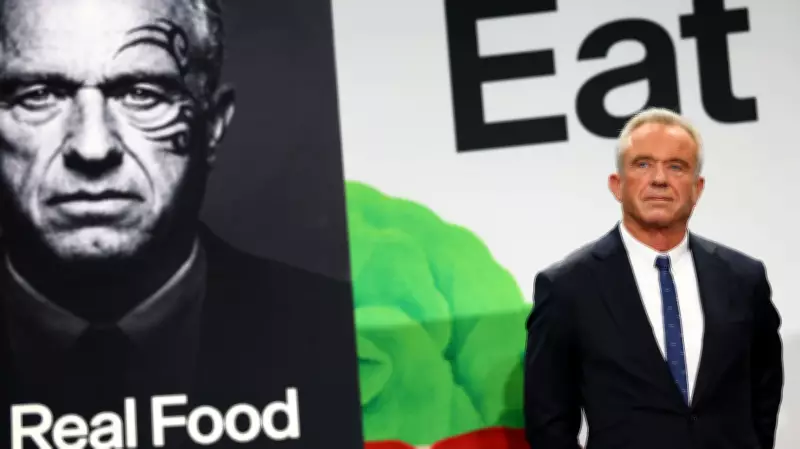
A recent survey by the health research nonprofit KFF found that about 4 in 10 (41%) American adults support Health and Human Services Secretary Robert F. Kennedy Jr.'s Make America Healthy Again (MAHA) initiative. While the majority of MAHA supporters are Republicans and MAGA followers, the KFF report highlights that concerns about food safety and corporate influence resonate broadly beyond Trump supporters.
According to the poll, 75% of respondents believe there is insufficient regulation of chemical additives in food, and 64% think pesticides in agriculture are under-regulated. Most adults also express distrust in agricultural, food, and pharmaceutical companies. Registered dietitian Sam Previte told HuffPost that this reflects a broader erosion of trust in institutions and a desire for more control over personal health.
However, public health experts warn about the darker side of MAHA. Kennedy has promoted unsubstantiated medical claims and anti-vaccine rhetoric, undermining trust in mainstream science. Previte noted that the movement can become problematic when it promotes fear, dismisses evidence-based medicine, or frames health as perfectly controllable.

The rise of MAHA coincides with a shift toward wellness influencers. A Pew Research Center study found that 40% of Americans—and half of adults under 50—get health information from social media influencers or podcasts. About 4 in 10 such influencers claim to be healthcare professionals. Epidemiologist Katrine Wallace explained that algorithms reward engagement over accuracy, making relatable storytelling more influential than expertise.
OB/GYN Jennifer Lincoln warned that dangerous misinformation often disguised as empowerment can delay real care and lead to worse outcomes. Below are common phrases signaling MAHA-aligned content.
Common MAHA Buzzwords
'Natural Immunity'
This phrase is prevalent in anti-vaccine content, implying that natural processes are superior to medical interventions, a notion that fails when considering diseases like cancer or diabetes.
'Toxins'
Pediatrician Zachary Rubin noted that 'toxins' is a vague, emotionally charged term used as a catch-all for modern illness, implying hidden environmental exposures cause disease without evidence.
'Do Your Own Research'
Wallace said this phrase encourages skepticism of scientific consensus and reliance on anecdotal stories and influencers over evidence-based sources.
'Seed Oils Are Poisoning You'
Previte explained that seed oil avoidance is common in MAHA circles, but the science is nuanced. Moderation is key, as highlighted by the Mayo Clinic, which notes that saturated fats may raise cholesterol and heart disease risk.
'Don't Trust Big Pharma'
This rhetoric taps into real frustrations but can lead to conspiracy thinking, positioning influencers as truth-tellers without accountability.
'Inflammation'
Lincoln noted that 'inflammation' is a real biological process exploited as a catch-all explanation for various ailments, often tied to products influencers sell.
'Root Cause'
Wallace said this phrase implies conventional medicine only treats symptoms, while alternative approaches address underlying causes, often paired with anti-vaccine messaging.
'Longevity' or 'Biohacking'
Lincoln warned that these terms can be gateways to extreme protocols and unproven supplements, undermining trust in conventional preventive care.
Lincoln emphasized that MAHA messaging mimics thoughtful health guidance, making it harder to identify than old-school quackery. She advises skepticism of influencers who never cite sources, always sell products, and frame content as 'what they don't want you to know.'