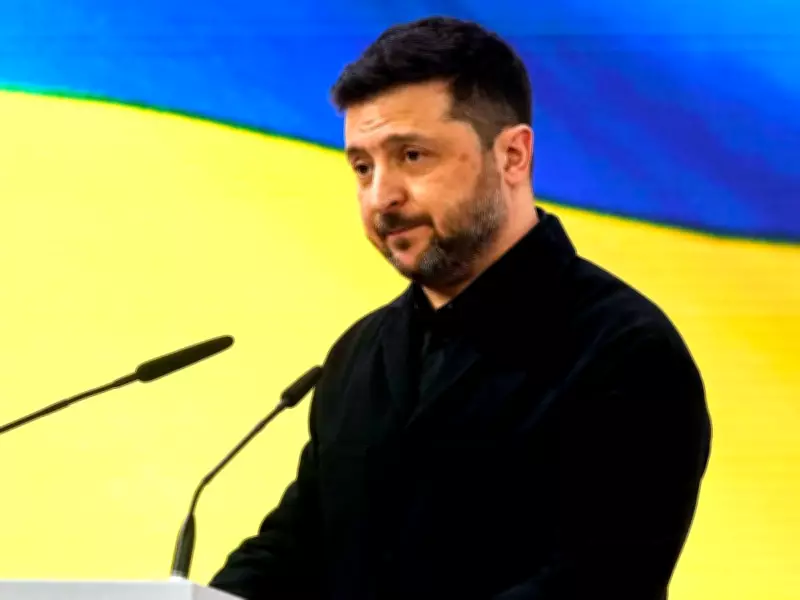
Zelenskyy Accuses Russia of Deliberately Prolonging Geneva Negotiations
A second day of U.S.-brokered meetings in Geneva between Russia and Ukraine concluded after barely 90 minutes on Wednesday, with Ukrainian President Volodymyr Zelenskyy accusing Moscow of intentionally dragging out the negotiation process. The talks, which followed earlier discussions in Abu Dhabi, broke up with little apparent progress on fundamental issues dividing the warring nations.
Abrupt End to Geneva Discussions
The Geneva negotiations ended abruptly as Ukrainian officials expressed frustration with what they characterized as Russian stalling tactics. President Zelenskyy stated explicitly that Russia is attempting to prolong negotiations that could already have reached their final stage, according to his social media posts following the meetings.
Despite the shortened session, Russian delegation head Vladimir Medinsky described the talks as difficult and businesslike, adding that the next meeting would occur soon without providing specific timing. Ukrainian delegation leader Rustem Umerov, Secretary of the National Security and Defence Council, acknowledged there had been progress but declined to disclose details, emphasizing that complex work requires alignment among all parties and sufficient time.

Unresolved Territorial Demands
Central among the unresolved issues remains Russian President Vladimir Putin's demand that Ukraine surrender territory in the eastern Donetsk region, areas Moscow has failed to fully conquer despite fighting dating back to 2014. Zelenskyy has made clear that the Ukrainian people would reject any unilateral withdrawal from or ceding of land to Russia, creating a significant obstacle to any potential agreement.
Additional contentious matters include the future of the Zaporizhzhia nuclear power plant, which Russian forces seized early in the full-scale invasion that began in February 2022. Zelenskyy confirmed he had tasked Ukrainian negotiators with discussing the nuclear facility's status during the Geneva meetings.
U.S. Involvement and Diverging Assessments
The United States played a significant mediating role in the Geneva talks, with U.S. envoy Steve Witkoff and former President Donald Trump's son-in-law Jared Kushner both present. Witkoff reported meaningful progress during the previous day's discussions, noting that both sides had agreed to continue working toward a potential deal.
Zelenskyy acknowledged that all parties had agreed the United States would participate in monitoring any potential ceasefire, which he described as a constructive signal. However, he emphasized that political will remains necessary to end Russia's full-scale invasion.
American officials appear divided regarding the prospects for a successful outcome in the near term. Some U.S. representatives have expressed skepticism to European counterparts about Putin's willingness to reach a deal soon, while others believe the Kremlin is genuinely serious about pursuing a negotiated end to the conflict.
Historical Context and Future Prospects
Medinsky, a Russian presidential aide who participated in the Geneva talks, has been involved in previous negotiations with Ukraine, including discussions in Istanbul between May and July of last year and weeks after the initial invasion in 2022. He did not participate in the earlier Abu Dhabi meetings this year.
Despite the limited progress in Geneva, Umerov indicated that the next step involves reaching sufficient consensus to present decisions to the presidents of both countries. The scope of discussions was reportedly broader than during the Abu Dhabi meetings, though substantial disagreements persist on critical issues that have defined the conflict for years.