In a significant diplomatic move, prominent Yemeni political figures gathered in Riyadh, Saudi Arabia, for talks following the formal dissolution of a key southern separatist organization. The meeting, held on January 18, 2026, marks a potential shift in the complex landscape of Yemen's long-running conflict.
A Pivotal Gathering in the Saudi Capital
The discussions in Riyadh come directly on the heels of the disbanding of the Southern Transitional Council (STC), a powerful coalition that has actively sought to restore the independent state of South Yemen. The STC, which enjoyed substantial support in southern regions like Aden, had been a major player and sometimes a spoiler in Yemen's peace processes. Their dissolution represents a major concession and a possible step toward unifying Yemeni factions against common threats.
Context of the Southern Separatist Movement
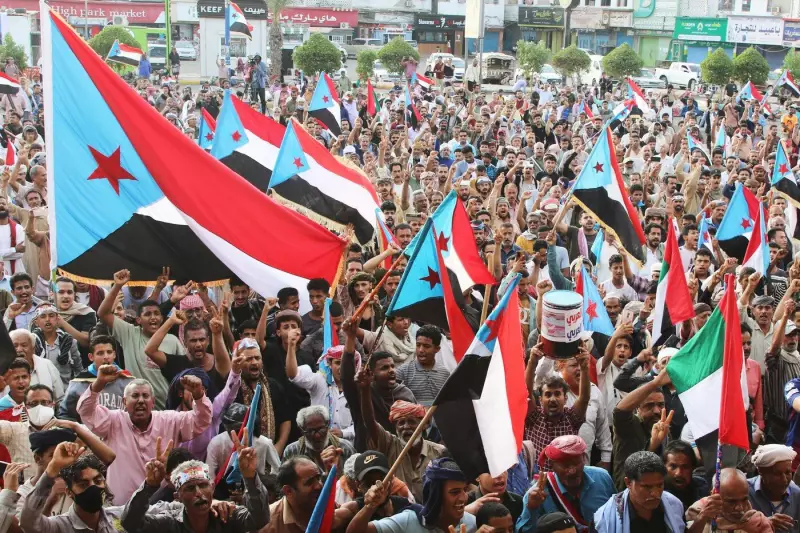
The push for southern secession is a deep-rooted element of Yemen's modern political strife. South Yemen existed as an independent nation until unification in 1990. Since the outbreak of civil war over a decade ago, southern separatist sentiments have resurged powerfully. As recently as January 2, 2026, supporters of the STC were visibly rallying in Aden, waving the flag of the former South Yemen, demonstrating the group's grassroots backing. The decision to now dissolve this structure suggests behind-the-scenes negotiations and external pressure, likely from regional mediators like Saudi Arabia, have reached a critical point.

Implications for Yemen's Future and Regional Stability
This development could have far-reaching consequences. The meeting in Riyadh likely aims to consolidate political and military efforts toward forming a more cohesive Yemeni government. A unified front is seen as essential not only for ending the devastating humanitarian crisis but also for countering the influence of militant groups like the Houthis. For Saudi Arabia and its allies, a stable and friendly Yemeni administration is a key security objective. The dissolution of the STC removes a significant obstacle to a broader power-sharing agreement, though it also risks alienating its base of supporters who remain committed to the goal of southern independence.
Analysts will be watching closely to see if this Riyadh meeting yields a concrete roadmap for governance or if it is merely a preliminary step in a much longer and more fraught negotiation process. The willingness of southern leaders to disband their primary political vehicle indicates a major, albeit risky, gamble for peace.