Venezuela's Acting President Denounces U.S. Meddling in National Affairs
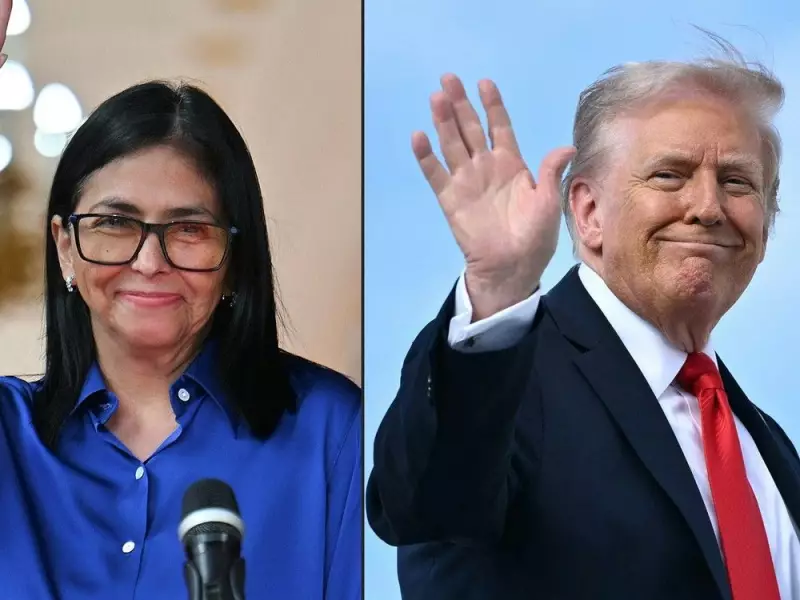
Venezuela's acting president, Delcy Rodríguez, has issued a forceful declaration against what she characterizes as persistent interference from the United States in her country's internal political matters. Speaking to state oil workers in Anzoátegui state on Sunday, Rodríguez stated that Venezuela has definitively 'had enough' of external directives.
A Call for Sovereignty Amid Domestic Tensions
'Enough of Washington’s orders to Venezuelan politicians, let Venezuelan politics resolve our differences and conflicts,' Rodríguez asserted during her address. 'Enough of foreign powers.' This rhetoric comes at a critical juncture as her government navigates mounting pushback from public-sector unions and leftist political factions over contentious plans to overhaul the nation's vital oil industry.
The proposed reforms, which are set for a second and final debate in the government-controlled National Assembly, aim to dismantle the long-standing state monopoly on hydrocarbons. The legislation would permit private companies to engage in the production and sale of crude oil, tapping into Venezuela's vast reserves. A public consultation on the matter was scheduled for Monday following Rodríguez's comments.

Balancing Domestic and International Demands
Rodríguez and her brother, Jorge Rodríguez, who serves as president of the National Assembly, have intensified their political messaging over the weekend. Their statements appear strategically designed to consolidate support within their political base, even as the administration in Caracas continues to cooperate with certain demands from the U.S. government under President Donald Trump.
This cooperation includes significant gestures such as the release of dozens of political prisoners, part of a broader process initiated on January 8. According to the non-governmental organization Justicia, Encuentro y Perdón, approximately 229 political prisoners have been freed since that date, though hundreds reportedly remain incarcerated.
Analyst Perspective on the Political Landscape
Nicholas Watson, Managing Director at the political risk consultancy Teneo, provided analysis in a client report on Monday. He suggested that a swift approval of the oil reform initiative would signal that resistance from within the ruling socialist party—traditionally a staunch defender of state control and resource sovereignty—is either limited or effectively managed for the present moment.
Despite the strong anti-interference rhetoric from the acting president, her government's actions indicate a continued effort to appease Washington. This delicate balancing act involves reconciling the ideological foundations of the ruling party with the practical necessities of international engagement and economic reform.
The siblings recently met with workers from Petróleos de Venezuela at the Puerto La Cruz refinery, directly confronting criticism of the proposed oil reforms. The government's challenge lies in addressing conflicting demands from its domestic supporters and the expectations of the U.S. administration, all while asserting national sovereignty in its public declarations.