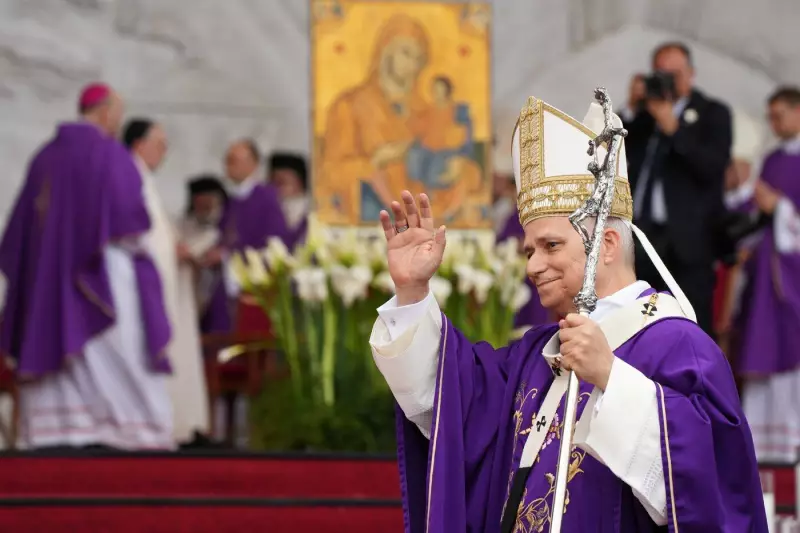
In a notable development for Catholic-Chinese relations, the Vatican has formally backed the appointment of a successor to a leading underground bishop in China. This move, reported in early December 2025, is seen as a significant step within the complex diplomatic and religious landscape between the Holy See and Beijing.
A Delicate Diplomatic Balance
The decision underscores the ongoing and delicate negotiations between the Vatican and the Chinese government regarding the appointment of bishops. For decades, a divide has existed between state-sanctioned Catholic churches operating under the Chinese Catholic Patriotic Association and an "underground" community of faithful who pledge allegiance directly to the Pope in Rome.
The Vatican's endorsement of a replacement for a prominent figure within this underground community signals a potential shift in strategy. It represents a direct intervention in the leadership of the unofficial church, aiming to ensure continuity and papal authority while navigating China's stringent religious regulations.

Context of Broader Engagement
This development occurs against a backdrop of intermittent dialogue between the two sides. A provisional agreement on bishop appointments, first signed in 2018 and renewed since, has been a cornerstone of this engagement, though it has faced criticism from those who fear it compromises Church principles.
The news follows closely on the heels of a major international event involving Pope Leo XIV, who celebrated a Holy Mass in Beirut, Lebanon on Tuesday, December 2, 2025. While not directly connected, the Pope's active international schedule highlights the global scope of Vatican diplomacy, of which China remains one of its most challenging and consequential fronts.
Implications for Chinese Catholics
The Vatican's move is likely to have profound implications for millions of Catholics in China. For the underground community, it provides a sense of legitimacy and direct papal support for their new leader. However, it also raises questions about the future relationship between the officially recognized and underground congregations.
Analysts suggest this action could be an attempt by the Vatican to unify the fragmented Catholic community in China under a clearer structure that, while respecting the realities of Chinese law, maintains doctrinal integrity and a connection to Rome. The long-term success of this approach depends heavily on the reaction from Chinese authorities and the acceptance by both branches of the faithful.
The endorsement marks a critical moment in the Vatican's persistent efforts to secure a stable future for Catholicism within China's borders. It demonstrates a pragmatic, yet firm, approach to one of the world's most sensitive religious diplomacy challenges.