U.S. Remains Vital Partner for Canada Despite Current Political Turmoil
In the late 1970s, numerous publications highlighted American interest in Canadian resources including energy, minerals, lumber, and fresh water. This created perceptions that Canada faced potential threats from its southern neighbor, alongside concerns about the Soviet Union across the northern border.
A distinguished University of Calgary professor who had escaped fascist regimes during World War II provided crucial perspective during this period. He emphasized that, when viewed through a human-rights framework, threats from Soviet forces represented exponentially greater concerns than those from the United States. This insight inspired many Canadians to engage in global human rights protection efforts.
Contemporary Sovereignty Challenges
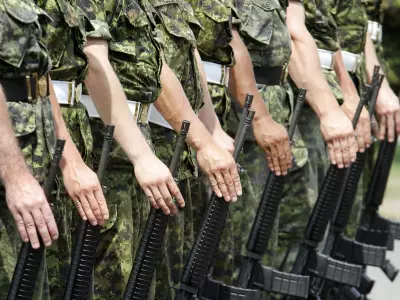
Today, external threats to Canadian sovereignty persist with particular intensity in northern regions. Russia's growing interest in Arctic territories, especially through alliances with China, raises significant concerns. The opening of new shipping lanes combined with abundant natural resources makes Canada's northern areas increasingly valuable and coveted internationally.

Some analysts argue that American threats to Canada have also intensified recently. The current U.S. president's public statements about potentially taking over Canadian territory should alarm all Canadians. Furthermore, the administration's disrespect toward democratic institutions and actions that undermine them create additional worries about bilateral relations.
Human Rights Concerns and Authoritarian Tendencies
Respect for fundamental human rights appears to be diminishing under current American leadership. Evidence suggests the U.S. administration is adopting some strong-arm tactics reminiscent of countries experiencing growing authoritarian movements, such as Hungary and Turkey. This represents a troubling development for a nation traditionally seen as a global human rights champion.
However, it is essential to recognize that the current administration represents a temporary phase in American politics. Presidential terms are constitutionally limited, and mid-term elections provide regular opportunities for political course correction. Even within Republican circles in Congress, there appears to be limited support for territorial expansion through force in strategically important regions like Venezuela or Greenland.
Institutional Safeguards and Democratic Resilience
A recent essay in Foreign Affairs journal titled "The Price of American Authoritarianism" acknowledges the concerning slide toward authoritarian tendencies while outlining factors that can limit their growth. Several institutional safeguards remain robust despite current challenges.
Key protective mechanisms include:
- Elections continue to matter significantly, with outcomes genuinely affecting national direction despite internal interference attempts
- The U.S. judiciary maintains greater independence than authoritarian regimes, with the rule of law remaining reasonably strong throughout the country
- Human rights considerations still influence policy decisions and public discourse
- The American military remains highly professional and resistant to political weaponization
- The media landscape remains more vibrant than in Hungary or Turkey, and substantially freer than in China or Russia
- A strong, unified, well-funded opposition party provides crucial checks and balances
Perhaps most importantly, the American citizenry has demonstrated that substantial portions of the population remain deeply concerned about their country's direction and committed to democratic principles.
Enduring Partnership Beyond Political Cycles
The relationship between Canada and the United States extends far beyond any single administration or political moment. Economic interdependence, shared security concerns, cultural connections, and geographical proximity create bonds that transcend temporary political turbulence. While vigilance regarding sovereignty and democratic values remains essential, the institutional foundations of American democracy provide reassurance that the current situation represents a challenging phase rather than a permanent transformation.

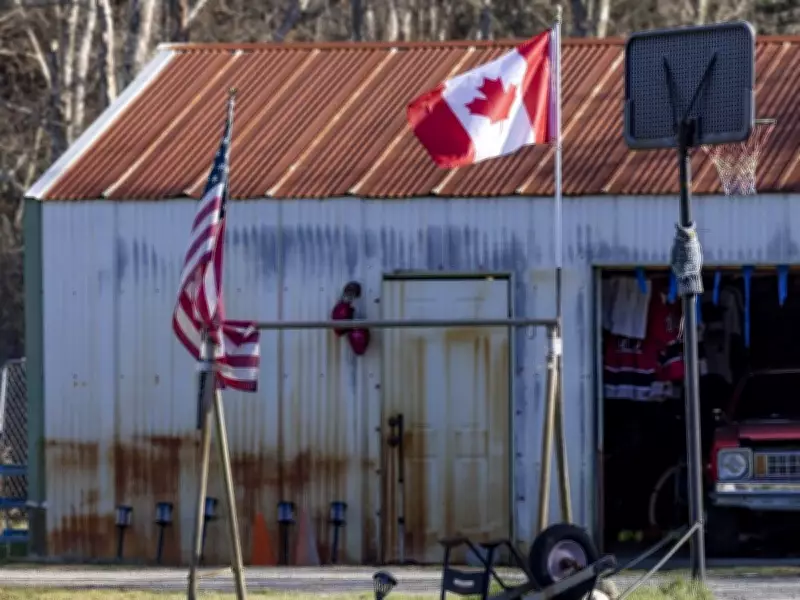
Point Roberts serves as a microcosm of this complex relationship. This small peninsula bordering Delta, British Columbia, hosts numerous Canadian residents either permanently or seasonally. Its economy depends entirely on cross-border relationships, illustrating how interconnected the two nations remain despite political differences. Such practical realities underscore why maintaining constructive engagement remains crucial even during periods of political uncertainty.