U.S. Sanctions Intensify Pressure on Cuba's Oil Supply, Triggering Aviation and Health Crises
In a significant escalation of economic pressure, the United States has tightened sanctions on Cuba's oil imports, leading to severe disruptions that are forcing airlines to rethink flights to Havana and compelling the Cuban government to ration critical health services. This development, reported by CNN in March 2026, highlights the deepening humanitarian and logistical challenges facing the island nation as it grapples with fuel shortages.
Airlines Reevaluate Routes Amid Fuel Uncertainty
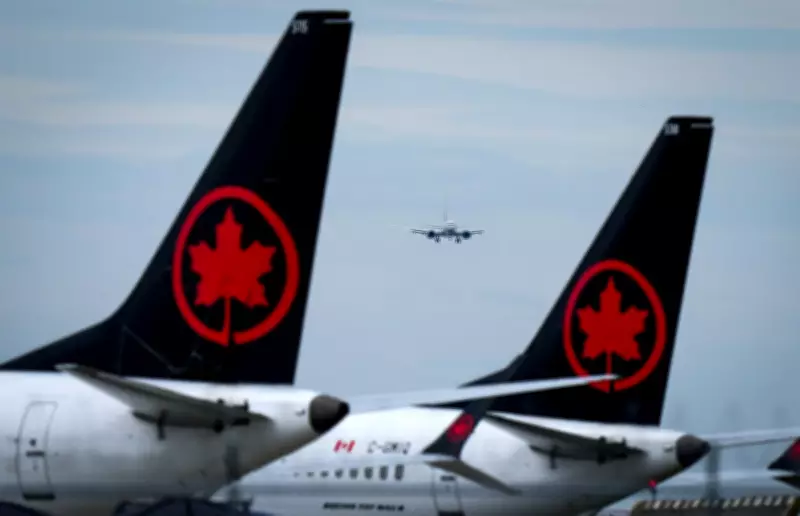
The squeeze on Cuba's oil supply, primarily driven by U.S. sanctions aimed at curbing the regime's resources, has created uncertainty for international carriers. Airlines, including major operators from North America and Europe, are now reassessing their flight schedules to Havana due to concerns over fuel availability and rising operational costs. This could lead to reduced connectivity for travelers and further isolate Cuba economically, impacting tourism and business exchanges that rely on air travel.
Healthcare System Forced to Implement Rationing Measures
Simultaneously, the Cuban government has begun rationing health services in response to the oil crisis. Hospitals and clinics are facing critical shortages of medical supplies and equipment, exacerbated by limited fuel for transportation and power generation. This has resulted in delayed treatments, reduced access to essential care, and increased strain on an already overburdened healthcare infrastructure. Public health officials warn that the rationing could worsen outcomes for patients with chronic conditions and emergencies, raising alarms about a potential humanitarian crisis.

Broader Implications for Cuba's Economy and Society
The dual impact on aviation and healthcare underscores the broader economic toll of the sanctions. Cuba's reliance on imported oil has made it vulnerable to supply shocks, and the current restrictions are crippling key sectors. Beyond travel and health, industries such as agriculture, manufacturing, and public transportation are also suffering, leading to widespread shortages of goods and services. This situation has sparked concerns about social stability and the well-being of Cuban citizens, who are bearing the brunt of the geopolitical tensions.
Experts note that the sanctions are part of a long-standing U.S. policy to pressure Cuba on political and human rights issues, but the immediate consequences are increasingly dire. As airlines weigh their options and healthcare providers struggle to cope, the international community is watching closely, with some advocating for humanitarian exemptions to mitigate the suffering. The ongoing crisis serves as a stark reminder of how geopolitical conflicts can directly affect everyday life, from travel plans to access to medical care.