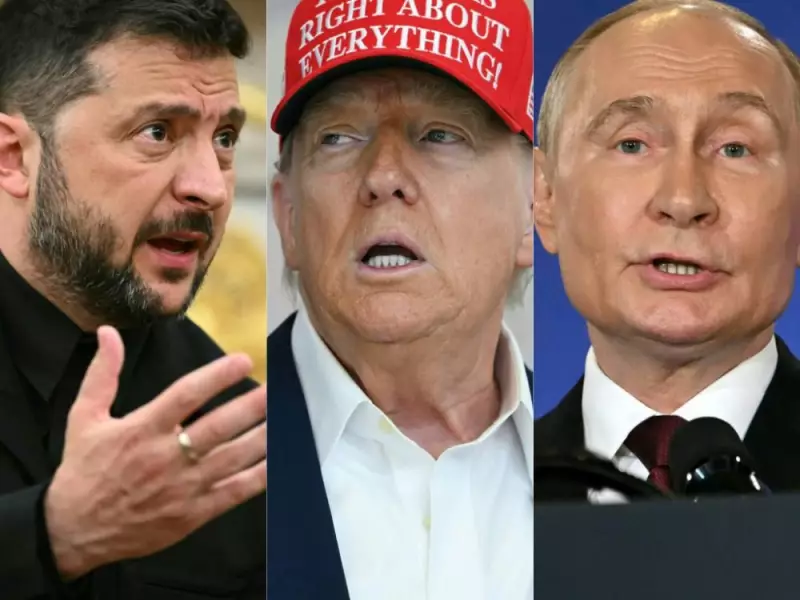
Ukrainian President Volodymyr Zelensky disclosed on Saturday that the United States has put forward a proposal to host the first direct negotiations between Ukrainian and Russian officials in half a year. The revelation comes as diplomatic teams converge on Miami, Florida, for a fresh round of talks aimed at finding a path to end the ongoing war.
The Proposed Negotiation Format
President Zelensky outlined the suggested framework, stating, "They proposed this format as far as I understand: Ukraine, America, Russia." He added that European representatives could also be present, noting it would be logical to hold such a joint meeting after assessing the results of the initial discussions already taking place.
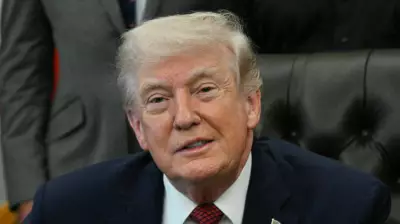
The talks in the sunny American city are being mediated by envoys from the administration of U.S. President Donald Trump, specifically Steve Witkoff and the president's son-in-law, Jared Kushner. Russian envoy Kirill Dmitriev confirmed his participation, posting on social media platform X that he was "on the way to Miami," accompanied by a peace dove emoji. Ukrainian and European delegations are also present.

Context and Stakes of the Miami Talks
This development marks a significant shift from previous diplomatic efforts, where American mediators typically held separate meetings with each side in different locations. The last official direct talks between Ukrainian and Russian envoys occurred in Istanbul in July, which resulted in prisoner exchanges but failed to yield broader concrete progress toward peace.
The Trump administration's envoys have been promoting a peace plan that reportedly involves the United States offering security guarantees to Ukraine. However, this is widely understood to be contingent on Kyiv conceding some territory to Russia, a condition deeply resented by many Ukrainians.
U.S. Secretary of State Marco Rubio sought to address these concerns on Friday, promising that Washington would not compel Ukraine into an agreement. "There's no peace deal unless Ukraine agrees to it," Rubio stated, adding he might join the talks on Saturday in his hometown of Miami.
Challenges and Ongoing Conflict
Despite the diplomatic movement, formidable obstacles remain. Relations between Russia and European nations are severely strained, making it unlikely that Dmitriev would engage in direct discussions with European negotiators. Moscow has consistently argued that European involvement would hinder the process, often portraying the continent's leaders as proponents of continued conflict.
The weekend negotiations unfold against a backdrop of relentless military pressure from Russia. In his annual news conference on Friday, President Vladimir Putin vowed to continue the military offensive, celebrating Moscow's battlefield gains nearly four years after the initial invasion in February 2022. On Saturday, Russian forces announced the capture of two more villages in Ukraine's Sumy and Donetsk regions, underscoring the grinding, costly nature of the fighting in the east.
The Miami talks represent a critical, yet fragile, diplomatic opening. The world watches to see if this proposed three-way format can bridge the vast divide between Kyiv and Moscow, or if the light Dmitriev referenced—"breaking through the storm clouds"—will prove fleeting as the war grinds on.