U.S. Announces Strategic Plans to Reopen Embassy in Syria After 14-Year Closure
In a significant development in international diplomacy, the United States government has unveiled detailed plans to reopen its embassy in Syria, ending a 14-year period of closure. This move signals a potential shift in U.S. foreign policy towards the Middle Eastern nation, which has been embroiled in conflict and political instability for over a decade.
Historical Context and Diplomatic Implications
The U.S. embassy in Damascus was officially closed in 2012 amid escalating violence during the Syrian civil war and growing security concerns for diplomatic personnel. Since that time, American diplomatic relations with Syria have been conducted through limited channels, with no formal embassy presence in the country. The decision to reopen the embassy comes after extensive security assessments and diplomatic negotiations, reflecting changing geopolitical dynamics in the region.
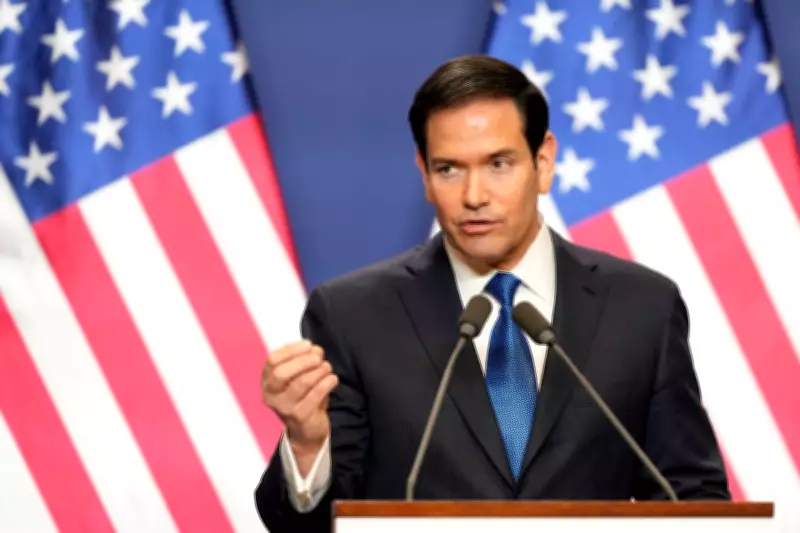
Secretary of State Marco Rubio has been a prominent voice in advocating for renewed diplomatic engagement with Syria, emphasizing the importance of maintaining open channels of communication even in complex geopolitical environments. During recent international engagements, including a joint news conference with Hungary's Prime Minister Viktor Orban in Budapest, Rubio highlighted the administration's commitment to principled diplomacy while protecting American interests abroad.

Operational Challenges and Security Considerations
Reopening the embassy presents numerous practical challenges that must be carefully addressed. Security remains the paramount concern, given the ongoing instability in parts of Syria and the history of attacks on diplomatic facilities in the region. The State Department is reportedly working closely with security experts to implement robust protection measures for embassy staff and facilities.
Additionally, the logistical aspects of reestablishing a fully functional diplomatic mission are substantial. This includes:
- Recruiting and training diplomatic personnel willing to serve in a challenging environment
- Renovating or securing appropriate facilities that meet security standards
- Establishing reliable communication and support systems
- Coordinating with allied nations and international organizations operating in Syria
Regional and Global Reactions
The announcement has generated mixed reactions from regional actors and international observers. Some Middle Eastern allies have expressed cautious optimism about the potential for increased American diplomatic engagement to contribute to stability efforts in Syria. Meanwhile, critics question the timing and wisdom of reopening diplomatic relations while significant challenges persist in the country.
From a broader perspective, this development represents part of a larger pattern of diplomatic recalibration in U.S. foreign policy. The decision reflects a calculated approach to maintaining influence and engagement in strategically important regions, even when relationships are complex and fraught with challenges.
Looking Forward: Next Steps and Timeline
While specific operational details and timelines remain under development, sources indicate that preliminary work on the embassy reopening has already begun. The process is expected to unfold in carefully planned phases, with initial operations likely focusing on core diplomatic functions before expanding to full embassy services.
The reopening of the U.S. embassy in Syria after 14 years represents more than just the restoration of a diplomatic facility—it symbolizes a renewed commitment to engagement in a region that continues to experience significant geopolitical shifts. As preparations move forward, observers will be watching closely to see how this development influences broader diplomatic relations and regional stability in the coming months and years.