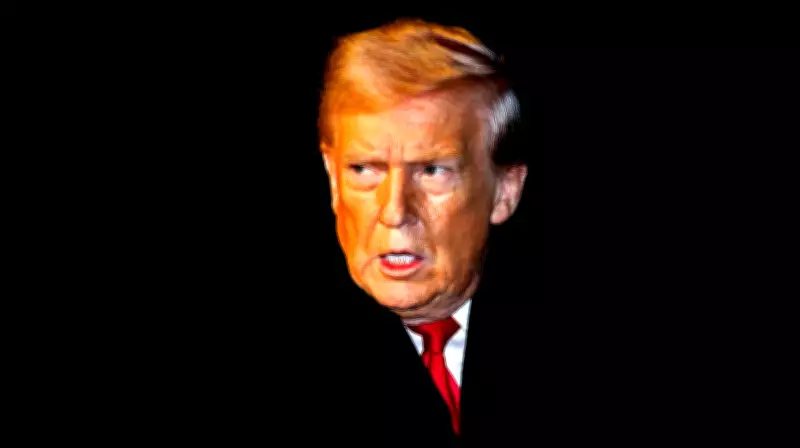
Diplomatic Efforts Wither as U.S.-Iran Tensions Reach Critical Point
With the United States positioned to potentially launch an attack on Iran, diplomatic attempts to broker a peaceful resolution appear to have significantly deteriorated. Earlier this month, Israeli and Arab officials successfully united to convince President Donald Trump to refrain from attacking Tehran, primarily due to fears of triggering a regional bloodbath. However, the situation has grown increasingly precarious as the week progressed.
Escalating Military Posture and Diminishing Odds
A Gulf official familiar with discussions among U.S. officials revealed earlier this week that the chances of avoiding a military strike stood at only 50%. As the weekend approaches, these odds appear to be worsening. The United States has amassed substantial military forces in the region, which Trump has dramatically referred to as an "armada." According to a U.S. official and another source familiar with administration conversations, Trump is considering potentially striking a wider range of targets than during last summer's attack on Iranian nuclear facilities.
This expanded assault could include political targets, potentially even Iran's supreme leader, Ayatollah Ali Khamenei. Such a move would likely invite heavy Iranian retaliation and effectively kill any future diplomatic prospects between the two nations.

Preconditions and Diplomatic Deadlock
President Trump has publicly stated that the alternative to military strikes is negotiation. However, he and his aides have established stringent preconditions for talks that few believe Iran is willing to meet. The administration demands that Tehran first commit to:
- Limiting its uranium enrichment program
- Restricting its ballistic missile development
- Ending support for militias across the Middle East
Frustrated with attempted diplomacy last year, Trump and his aides believe Iran should make extensive concessions, arguing the country has no other option given the immense economic and political pressure it faces. Iran desperately wants relief from crippling U.S. economic sanctions, but its leadership remains wary of negotiating from a position of perceived weakness. This caution follows the government's brutal suppression of its biggest popular uprising in years, which resulted in thousands of deaths.
Analyst Perspectives on the Impasse
Ali Vaez, an analyst at the International Crisis Group think tank, summarized the diplomatic deadlock succinctly: "Iran's ceiling sits below America's floor." This fundamental mismatch in negotiating positions makes compromise exceptionally difficult.
Reid Smith, vice president of foreign policy at Stand Together, expressed concern about the timeline: "I think it's more likely than not that we do something very shortsighted within the weekend." Stand Together is an organization founded by right-wing billionaire Charles Koch that advocates for a more restrained U.S. position in global affairs.
Domestic and International Pressures
Skeptics of a military strike warn that such action could prove extremely costly, noting there are tens of thousands of U.S. troops within striking range of Iran. They caution that an attack could spark an unpredictable, prolonged war with devastating regional consequences.
While governments close to Trump, including Turkey, Qatar, the United Arab Emirates, and Saudi Arabia, lobby against a possible strike, the president faces countervailing pressure from influential hawks at home. Senator Lindsey Graham and pro-Israel donors who have long sought regime change in Tehran are encouraging military action. These external pressures conflict with officials inside the administration who remain unenthusiastic about strikes, including Secretary of State Marco Rubio, who recently told Congress it remains unclear what leadership would emerge in Iran if the current government falls.
Process Concerns and Back-Channel Diplomacy
Dalia Dassa Kaye, an expert on U.S.-Iran relations at UCLA, expressed concerns about how Trump's policy is being formulated: "I don't think that's a great thing, whether you like the outcome or no... that the protection of U.S. national security is dependent on whether three Gulf states get [Trump's] ear on a given day or not."

Alan Eyre, a former State Department official and fellow at the Middle East Institute, offered a critical assessment: "It seems we're interested not so much in negotiations as capitulation. We've stipulated that Iran has to forgo indigenous enrichment [of uranium], get rid of all their uranium, end their support for proxies and incapacitate their missile program, so our red lines have expanded and become more stringent."
The Trump administration has tasked Steve Witkoff, a real estate developer close to Trump who serves as special envoy addressing several other ongoing conflicts, with managing resumed dialogue with Iran. However, Witkoff's previous talks with Iranians last year produced little progress and were viewed by some as a ruse, since they were quickly followed by joint U.S.-Israeli attacks on Iran.
Eyre recommended the administration explore back-channel diplomacy while attempting to limit mixed messages from the president about his stated goals, which have ranged from encouraging Iranian demonstrators to take over their country's institutions to the longstanding U.S. aim of limiting Iran's nuclear capabilities.
"There may be some type of military attack that prevents significant retaliation by Iran while also encouraging popular protest and decreasing the ability to suppress that protest, but that's a very fine needle to thread," Eyre continued, highlighting the complexity of the situation.
As tensions continue to mount, the window for diplomatic resolution appears to be narrowing rapidly, with military action becoming an increasingly likely outcome despite the significant risks involved.