U.S. and Iran Hold Indirect Nuclear Talks as American Forces Mass in Middle East
In a significant diplomatic development, the United States and Iran have commenced another round of indirect nuclear negotiations, even as American military forces continue to build up in the Middle East. The talks, held in Geneva, Switzerland, on Thursday, February 26, 2026, involved key envoys from both sides, underscoring the ongoing efforts to address nuclear concerns amid escalating regional tensions.
Diplomatic Engagement in Geneva
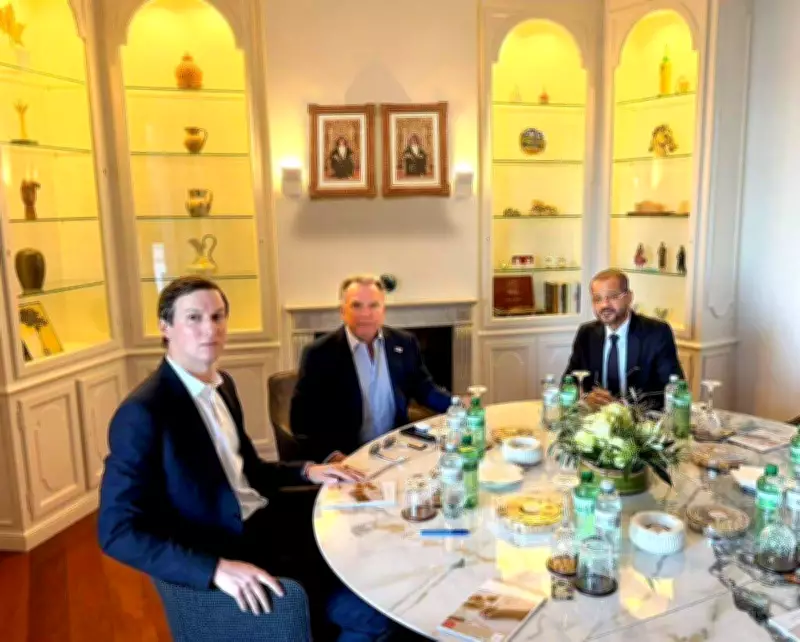
The meeting in Geneva featured White House special envoy Steve Witkoff and Jared Kushner representing American interests, while Oman's Minister of Foreign Affairs, Sayyid Badr bin Hamad Al Busaidi, facilitated the discussions. This indirect format, where messages are relayed through intermediaries like Oman, has become a standard approach in U.S.-Iran diplomacy, allowing for communication without direct confrontation. The talks focused on nuclear program limits, sanctions relief, and regional security issues, though specific details remain confidential as negotiations are ongoing.
Military Buildup Adds Pressure
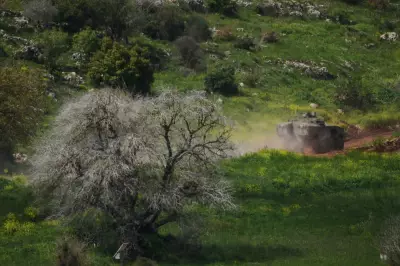
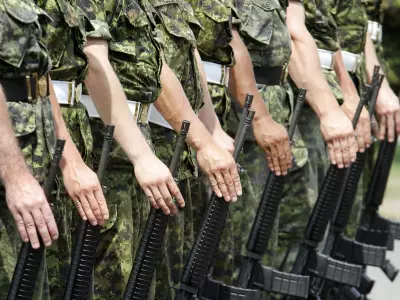
Concurrently, the United States has been deploying additional troops and military assets to the Middle East, a move that analysts say is intended to pressure Iran and deter potential aggression. This military buildup includes naval forces in the Persian Gulf and air defense systems in allied countries, reflecting Washington's strategy of combining diplomacy with a show of force. The presence of American forces in the region has heightened tensions, with Iran viewing it as a provocative act that could undermine the negotiation process.

Context and Implications
These talks occur against a backdrop of longstanding disputes over Iran's nuclear activities, which have been a source of international concern for years. Previous agreements, such as the Joint Comprehensive Plan of Action (JCPOA), have faced challenges, leading to renewed efforts to find a sustainable solution. The indirect nature of the current negotiations highlights the fragile state of U.S.-Iran relations, where trust is low, but the stakes are high for global security and stability.
Experts note that the success of these talks could hinge on several factors, including:
- Verification mechanisms for nuclear compliance
- Economic incentives such as sanctions relief
- Regional de-escalation to reduce military tensions
- International support from allies and partners
As the negotiations proceed, the world watches closely, aware that any breakthrough or breakdown could have far-reaching consequences for the Middle East and beyond. The combination of diplomatic talks and military posturing underscores the complex and high-stakes nature of this geopolitical issue.