The United States declared on Thursday that intense international pressure, spearheaded by President Donald Trump, forced Iran to halt the planned executions of 800 protesters. The claim came during a dramatic and contentious United Nations Security Council session requested by Washington to address Tehran's deadly crackdown on recent anti-government demonstrations.
A Tense Showdown at the United Nations
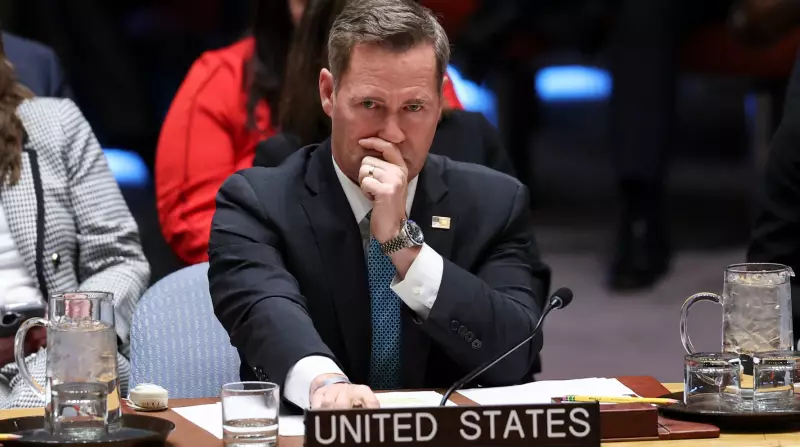
U.S. Ambassador to the United Nations, Mike Waltz, delivered a forceful statement to the council on January 15, 2026. He asserted that the U.S. stands firmly with the "brave people of Iran" and reiterated that President Trump has placed "all options on the table to stop the slaughter." This meeting followed a week of some of the largest protests in the history of the Islamic Republic, which had begun to diminish amid severe repression and a nationwide internet blackout.
Waltz directly countered Iranian allegations that the unrest was a foreign plot to justify military action. "Everyone in the world needs to know that the regime is weaker than ever before," he stated, arguing that Tehran's claims were a sign of fear of its own populace. He emphasized that the power of the protest movement itself was the real catalyst for the government's violent response.

Mixed Signals and Firm Warnings
Despite previous threats of intervention, President Trump adopted a more cautious wait-and-see posture on Thursday. He indicated he had received information that the killings were easing and expressed a belief that there was no current plan for large-scale executions. However, Ambassador Waltz underscored the administration's readiness for action, contrasting it with what he characterized as the UN's tendency for "endless talk."
The Iranian response was swift and stern. Deputy U.N. Ambassador Gholamhossein Darzi accused Waltz of "lies, distortion of facts, and a deliberate misinformation campaign" to hide U.S. involvement in steering the protests toward violence. He issued a clear warning: "Any act of aggression - direct or indirect - will be met with a decisive, proportionate, and lawful response."
International Reactions and Calls for Restraint
The Security Council debate revealed deep international divisions. Russia's Ambassador, Vassily Nebenzia, accused the United States of using the forum to justify "blatant aggression and interference" and threats to overthrow the Iranian regime. He urged "hot heads in Washington" to come to their senses.
Meanwhile, the United Nations, through senior official Martha Pobee, relayed Secretary-General Antonio Guterres's call for "maximum restraint" to prevent further loss of life or a wider regional escalation. Denmark's Ambassador, Christina Markus Lassen, voiced support for the Iranian people's demands, urging the government in Tehran to "finally listen" and respond to their will through peaceful means.
The session highlighted the precarious international standoff triggered by the Iranian protests, with the U.S. claiming a temporary victory in preventing mass executions while Tehran and its allies drew a firm red line against any external interference.