U.S. Ambassador Arrives in Venezuela to Reopen Diplomatic Mission After Seven-Year Closure
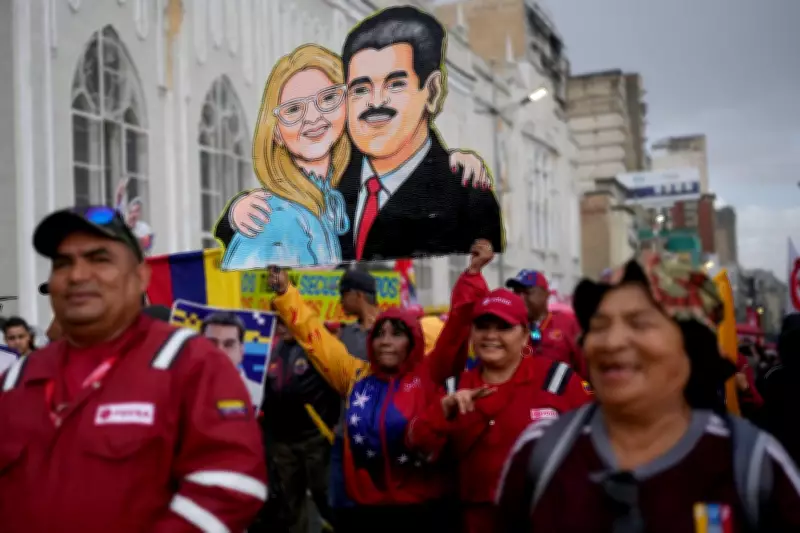
In a major diplomatic development, the United States has dispatched an ambassador to Venezuela to officially reopen its embassy in Caracas, ending a seven-year hiatus in formal diplomatic relations. This move signals a potential thaw in the long-strained ties between the two nations, which have been marked by political conflicts and economic sanctions.
Background of the Diplomatic Rift
The U.S. diplomatic mission in Venezuela was closed in 2019, following years of escalating tensions. The closure occurred amid a political crisis in Venezuela, with the U.S. and many other countries recognizing opposition leader Juan Guaidó as the legitimate president, rather than Nicolás Maduro. This led to a severing of official channels, impacting everything from consular services to bilateral negotiations.
The arrival of the new ambassador represents a cautious but significant step towards re-engagement. It comes at a time when both nations may be seeking to address issues such as migration, energy cooperation, and regional stability. Observers note that this could pave the way for more substantive talks in the future, though challenges remain given Venezuela's ongoing economic and political turmoil.

Implications for International Relations
Reopening the embassy is expected to have several immediate effects:
- Enhanced Consular Services: Venezuelans seeking visas or assistance from the U.S. will now have direct access, potentially easing travel and family reunification processes.
- Diplomatic Dialogue: The presence of an ambassador facilitates official communications, which could help de-escalate conflicts and foster cooperation on shared interests.
- Regional Impact: This move may influence other countries in Latin America, encouraging a more unified approach to engaging with Venezuela.
However, experts caution that this is just the beginning. Substantive progress will depend on broader political and economic reforms within Venezuela, as well as continued diplomatic efforts from both sides. The U.S. has historically imposed sanctions on Venezuela due to human rights concerns and democratic backsliding, and these issues are likely to remain central in any future negotiations.
Looking Ahead
As the ambassador settles into the role, the focus will be on rebuilding trust and addressing core disputes. This reopening does not signify an immediate resolution to all conflicts, but it offers a platform for incremental improvements. For Canadians, this development is noteworthy as it reflects shifting global dynamics that can affect international trade, security, and humanitarian efforts in the region.
In summary, the return of a U.S. ambassador to Venezuela after seven years marks a pivotal moment in bilateral relations. While the path forward is complex, this step underscores the importance of diplomatic engagement in navigating international crises.