U.S. Urges Embassy Staff in Israel to Depart Amid Heightened War Risk
The United States government has advised its embassy staff in Israel to consider leaving the country immediately if they wish, as the risk of a wider war continues to cast a shadow over the Middle East. This voluntary departure advisory, issued on February 27, 2026, reflects growing concerns about regional instability and potential security threats.
Escalating Tensions Prompt Precautionary Measures
With the Israel-Hamas conflict persisting and fears of broader regional escalation, U.S. officials have taken this step to ensure the safety of diplomatic personnel. The advisory allows embassy employees and their families to depart at government expense, emphasizing the unpredictable security environment. While the embassy remains operational, this move underscores the seriousness with which Washington views the current situation.
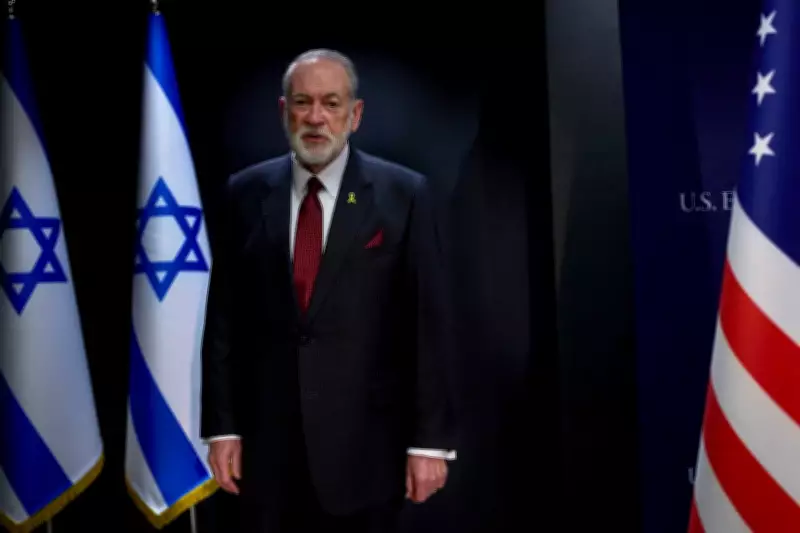
Ambassador Mike Huckabee, the U.S. envoy to Israel, has been actively engaged in diplomatic efforts in Jerusalem. His presence highlights the ongoing U.S. commitment to the region, even as precautions are implemented. The decision follows a period of increased military activity and political volatility across the Middle East, raising alarms about potential spillover effects.

Regional Implications and Security Concerns
The advisory comes amid a complex geopolitical landscape, where conflicts involving Israel, Hamas, and other actors threaten to destabilize the area further. U.S. intelligence assessments likely indicate heightened risks, prompting this proactive measure. Similar advisories have been issued in the past during periods of extreme tension, serving as a barometer for diplomatic unease.
Experts note that such departures can impact embassy operations, but the priority remains protecting American citizens and officials. The State Department has not specified a timeline for the advisory, leaving it open-ended based on evolving conditions. This flexibility allows for rapid response to any deterioration in the security situation.
Broader Context of U.S.-Israel Relations
Despite the travel warning, U.S.-Israel relations remain strong, with continued cooperation on security and diplomatic fronts. The advisory is a routine precaution rather than a political statement, aligned with standard protocols for safeguarding personnel in high-risk zones. It also serves as a signal to other nations about the perceived volatility in the region.
As tensions simmer, the international community watches closely, hoping for de-escalation. The U.S. move highlights the fragile balance between maintaining a diplomatic presence and ensuring safety, a challenge familiar in conflict-prone areas. The coming weeks will be critical in determining whether this precautionary step proves necessary or if diplomatic efforts can ease the war risk hanging over the Middle East.