The United Nations General Assembly has issued a powerful demand to Moscow, calling for the immediate return of all Ukrainian children taken from occupied territories since the start of the full-scale invasion. The resolution, adopted by a significant majority, underscores the international community's ongoing condemnation of actions deemed violations of international humanitarian law.
A Resolution for Repatriation
The vote, held on December 3, 2025, saw a clear majority of member states support the measure. The resolution specifically demands that Russia facilitate the safe return of these children to their families and communities in Ukraine. It frames the forced transfer and deportation of children as a grave breach of the Geneva Conventions and a potential war crime.
This diplomatic move builds upon a previous ruling by the International Criminal Court (ICC), which issued arrest warrants for Russian officials over the alleged unlawful deportation of Ukrainian children. The UN resolution amplifies that legal pressure, translating it into a collective political statement from the world body.

Canadian Context and Solidarity
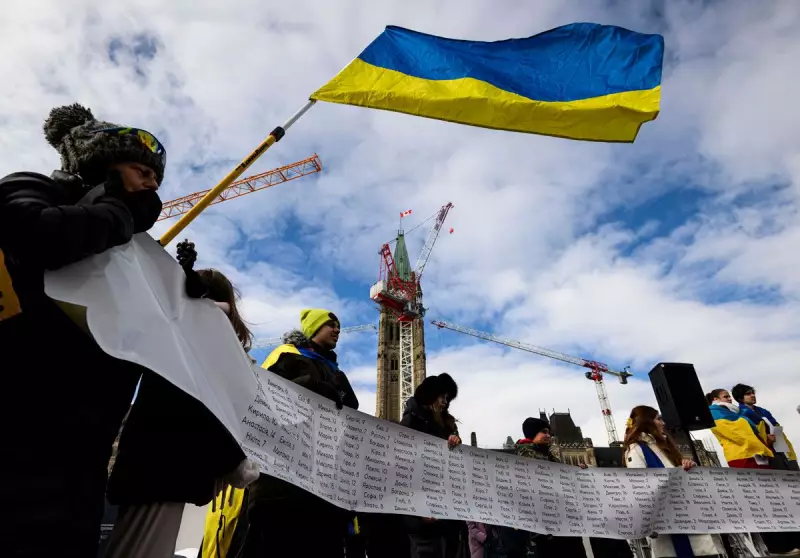
The issue of abducted Ukrainian children has resonated deeply in Canada, home to one of the world's largest Ukrainian diasporas. Earlier in the year, on February 23, 2025, Canadians gathered on Parliament Hill in Ottawa to mark the third anniversary of Russia's invasion.
During that solemn rally, participants held a poignant poster bearing the names of children killed during the conflict, a stark visual reminder of the war's youngest victims. The Canadian government has been a vocal supporter of Ukraine, with Deputy Prime Minister Chrystia Freeland recently calling the country a "fantastic investment" as Ottawa pledged an additional $235 million in support.
International Repercussions and Next Steps
While UN General Assembly resolutions are not legally binding like Security Council decisions, they carry substantial moral and political weight. They serve as a global barometer of opinion and can isolate nations diplomatically. This latest vote signals that Russia's actions regarding Ukrainian children remain a top-tier international concern, unlikely to fade from the global agenda.
The resolution adds to the complex landscape of accountability for the war. It places ongoing focus on the fate of thousands of children whose whereabouts and status remain unclear. Human rights organizations and Ukrainian authorities are expected to use this UN mandate to intensify their efforts to document cases and lobby for repatriation, keeping the spotlight firmly on this humanitarian crisis.