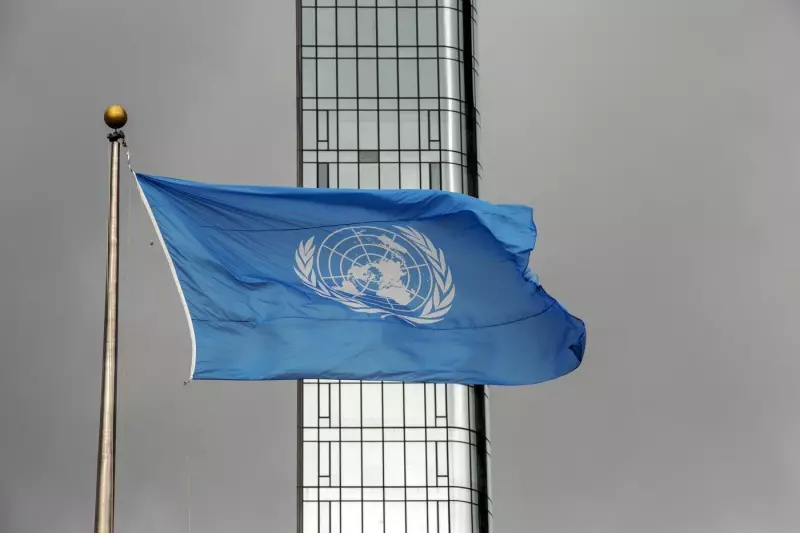
The United Nations has issued a direct appeal to Afghanistan's Taliban authorities, urging them to immediately rescind a contentious order that prohibits Afghan women from working within UN offices across the country. This formal call underscores a significant point of international contention regarding human rights under the de facto regime.
A Formal Demand for Reversal
The UN's request, made public on December 7, 2025, represents a clear diplomatic challenge to the Taliban's restrictive policies. Since returning to power, the Taliban administration has systematically eroded women's rights, including banning girls from secondary education and severely restricting women's participation in public life and the workforce.
The ban on Afghan women working for the United Nations within Afghanistan directly impacts humanitarian and operational efforts. The UN employs thousands of nationals in the country, with women playing critical roles in delivering aid, managing programs, and ensuring operations reach all segments of the vulnerable population.

Implications for Aid and Operations
This restriction not only violates fundamental human rights but also jeopardizes the effectiveness of vital international assistance. Afghan women are often essential for accessing and assisting other women and children in the conservative society, making their participation in aid work indispensable.
The United Nations has repeatedly emphasized that its operations must adhere to the principles of nondiscrimination. The Taliban's decree forces the international body into an untenable position, potentially compromising its ability to function in accordance with its own charter and values.
International Stance and Future Steps
The UN's public call signals a hardening of its stance on this issue. While engagement with the Taliban continues on humanitarian grounds, the demand to lift the ban on female staff is non-negotiable for many member states and within the UN's own leadership.
The international community continues to grapple with how to address the Taliban's governance while preventing a total collapse of Afghanistan's economy and social services. The treatment of women and girls remains a central benchmark for any potential recognition or normalized relations with the de facto authorities.
As of now, the Taliban has not indicated any willingness to reverse the ban. The situation creates an ongoing crisis for both the future of Afghan women and the delivery of essential aid to one of the world's most impoverished nations.