Ukraine-Russia Peace Talks in Geneva Conclude Abruptly Amid Tensions
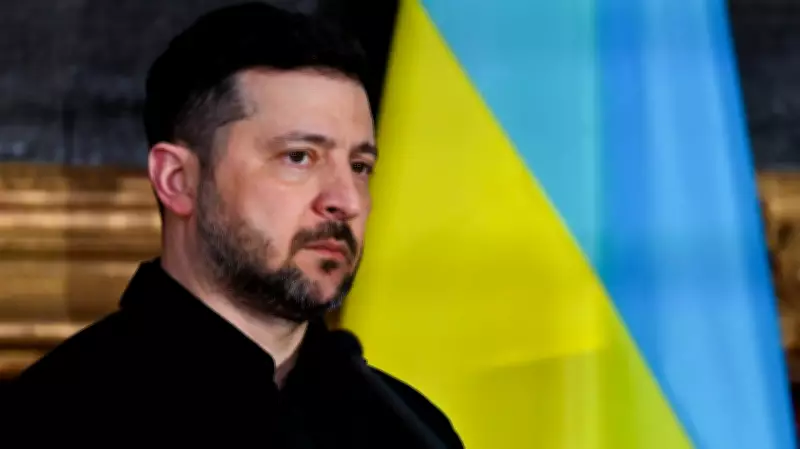
Peace negotiations between Ukraine and Russia held in Geneva ended unexpectedly on Wednesday after a mere two hours of discussions. Ukrainian President Volodymyr Zelenskyy characterized the talks as "difficult" and openly accused Russia of intentionally delaying progress toward a potential agreement to end the four-year-long conflict.
Zelenskyy's Accusations and Trump's Pressure
In a WhatsApp chat with reporters shortly after the talks concluded, President Zelenskyy stated, "We can see that progress has been made, but for now, positions differ because the negotiations were difficult." He further alleged that Russia is "trying to drag out negotiations that could already have reached the final stage." This sentiment echoes longstanding Ukrainian officials' claims that Moscow negotiates in bad faith, especially amid its ongoing winter bombing campaign targeting Ukraine's energy infrastructure.
The Geneva talks, mediated by the United States over two days, occurred against a backdrop of increasing pressure from U.S. President Donald Trump. In recent statements, Trump has twice suggested that the responsibility for successful negotiations lies primarily with Ukraine and Zelenskyy. On Monday, he told reporters, "Ukraine better come to the table fast. That's all I'm telling you." In an interview with Axios published Tuesday, Zelenskyy responded by calling it "not fair" for Trump to publicly urge Ukraine, rather than Russia, to make concessions in peace terms.

Negotiators' Perspectives and European Involvement
Rustem Umerov, head of Kyiv's negotiating team, described the second day of talks as "intensive and substantive," noting that both sides are working toward decisions to present to their presidents. However, he had previously tempered expectations, stating the Ukrainian delegation operated "without excessive expectations." Russian chief negotiator Vladimir Medinsky, a former culture minister, indicated that further negotiations would be held soon without specifying a date.
Ukrainian officials have been advocating for greater involvement from European allies in the peace process. President Zelenskyy emphasized ahead of the Geneva talks that such involvement is "indispensable," with nations like France, Germany, and the United Kingdom strongly supporting Kyiv's stance. This push comes just days before the fourth anniversary of Russia's 2022 invasion, a conflict that has resulted in hundreds of thousands of deaths, millions displaced, and widespread devastation across Ukraine.
Market Reactions and Historical Context
Reports of stalled progress at the talks led to Ukrainian government bonds falling by as much as 1.9 cents on the dollar in European morning trade. The Geneva meeting follows two prior rounds of U.S.-brokered talks in Abu Dhabi, which concluded without major breakthroughs due to persistent disagreements over key issues, particularly control of territory in eastern Ukraine.
Russia currently occupies approximately 20% of Ukraine's national territory, including Crimea and parts of the Donbas region seized before the full-scale invasion. Its recent airstrikes on energy infrastructure have left hundreds of thousands of Ukrainians without heating and power during a harsh winter, exacerbating humanitarian crises. Russia denies deliberately targeting civilians, but the impact on daily life remains severe.
Conclusion and Future Outlook
The abrupt end to the Geneva talks underscores the deep divisions and mistrust between Ukraine and Russia. With both sides holding firm on their positions and external pressures from the U.S. adding complexity, the path to peace remains fraught with challenges. As negotiators prepare for future discussions, the international community watches closely, hoping for a resolution to a conflict that has already caused immense suffering and instability in the region.