Trump's Military Buildup in Middle East Raises Questions About Iran Strategy
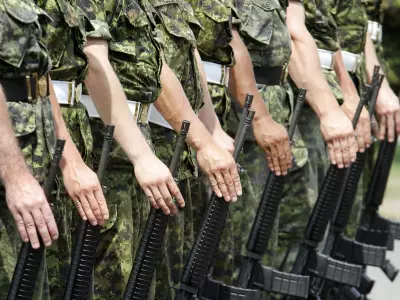
Washington, DC—U.S. President Donald Trump's recent deployment of warships and dozens of fighter planes to the Middle East has created significant uncertainty about American long-term objectives regarding Iran. While Trump has threatened military action, the specific goals of any potential conflict remain unclear, with experts warning that multiple available options could destabilize the entire region.
Military Options on the Table
According to reports, Trump has been presented with an array of military possibilities ranging from surgical strikes targeting Iran's Islamic Revolutionary Guard Corps to attempts at dismantling the country's missile program. Some options even include direct attacks on Iran's supreme leader, Ali Khamenei, or efforts to force regime change in Tehran. The news outlet Axios has detailed these potential approaches, highlighting the administration's consideration of high-impact military campaigns.
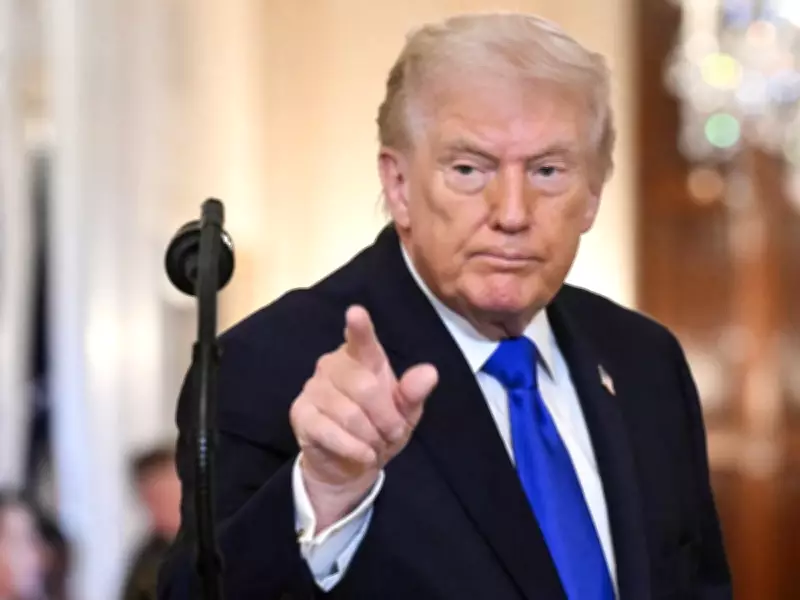
Trump stated on Thursday that he would decide within 10 to 15 days whether to order strikes on Iran if no nuclear agreement is reached. This timeline coincides with upcoming talks scheduled to resume in Switzerland, where the United States and Iran have held two previous rounds of indirect negotiations that failed to bring the two sides closer together.

Diplomatic Efforts and Military Pressure
Despite the military buildup, Trump has repeatedly expressed preference for a diplomatic solution that would address not only Iran's nuclear program but also its ballistic missile capabilities and support for militant groups such as Hezbollah and Hamas. However, Iran has consistently refused to make such concessions, creating a diplomatic stalemate.
Trump's envoy Steve Witkoff has indicated that the president is "surprised" Iran hasn't "capitulated" given the substantial U.S. military presence now in the region. This force includes 13 warships currently stationed in the Middle East: the aircraft carrier USS Abraham Lincoln, nine destroyers, and three frigates.
Expert Analysis and Regional Implications
Alex Vatanka, an analyst at the Middle East Institute in Washington, suggests that "the Trump administration most likely aims for a limited conflict that reshapes the balance of power without trapping it in a quagmire." Vatanka further notes that Iran is now expecting "a short, high-impact military campaign that would cripple Iran's missile infrastructure, undermine its deterrent, and reset the balance of power after the 12-day war with Israel in June 2025."
The situation has been further complicated by recent developments within Iran, including the January protest movement that security forces suppressed with significant loss of life. Trump threatened several times to intervene to "help" the Iranian people during these protests but ultimately took no action.
Political Concerns and Congressional Authority
Opposition Democrats have expressed serious concerns about Trump potentially leading America into what they describe as a "violent mess" and are demanding that he consult Congress—the only body in the United States with constitutional authority to declare war. These political tensions add another layer of complexity to the administration's decision-making process.
Trump frequently boasts of having brought peace to the Middle East, citing the often-violated ceasefire he engineered in Gaza between Hamas and Israel. He has argued that regime change in Iran would strengthen what he calls a "dynamic toward peace" in the region, though many experts question this assessment given Iran's threat of severe reprisal if attacked.
The president has also insisted that U.S. forces previously destroyed Iran's nuclear program through attacks targeting uranium enrichment facilities, though verification of these claims remains challenging. As military assets continue to gather in the region and diplomatic efforts stall, the international community watches closely to see whether Trump will pursue military action or continue seeking a negotiated settlement with Iran.