Trump Reveals U.S. Engagement with Cuba as Administration Ramps Up Pressure Campaign
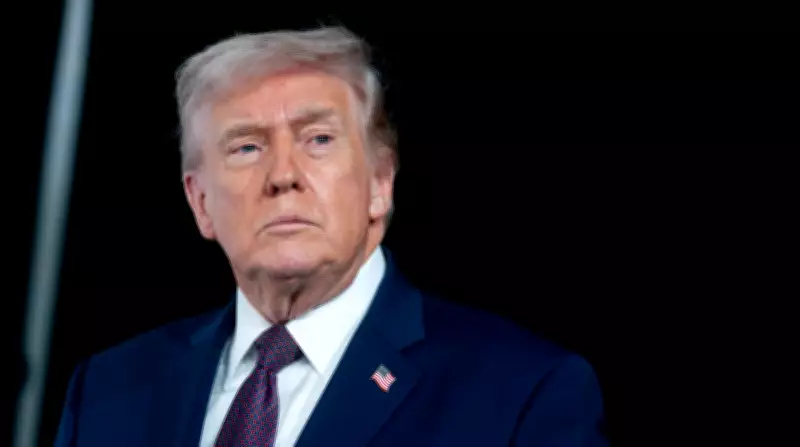
President Donald Trump announced that the United States has begun preliminary talks with Cuban leadership, a development disclosed during a flight to Florida on Saturday evening. This statement comes as the Trump administration escalates its strategic pressure on the communist-led island nation, notably by severing crucial oil supply lines. The president suggested these aggressive economic measures are designed to compel Cuba to the negotiating table, though specific details regarding the timing or level of diplomatic outreach were not provided.
Oil Supply Cuts as a Lever for Negotiation
In recent weeks, the administration has implemented a series of actions targeting Cuba's energy dependencies. This includes halting oil shipments from Venezuela following the capture of its then-President Nicolás Maduro in early January and imposing new pressures on Mexico, which had become a primary oil source for Cuba. Trump signed an executive order this past week to levy tariffs on goods from any country that sells or provides oil to Cuba, directly increasing the economic strain on the island.
Mexican President Claudia Sheinbaum responded by warning of a potential humanitarian crisis and pledged to explore alternative methods to support Cuba. Trump countered this concern, stating, "It doesn't have to be a humanitarian crisis. I think they probably would come to us and want to make a deal. So Cuba would be free again." He expressed optimism about reaching an agreement, adding, "I think, you know, we'll be kind."

Strategic Shifts and Unclear Objectives
While Trump's ultimate goals for Cuba remain ambiguous, this move marks a heightened focus on the island as part of a broader strategy against U.S. adversaries. The president has previously predicted the impending collapse of the Cuban government, aligning with his administration's more confrontational stance toward nations opposing American interests. The combination of diplomatic overtures and economic sanctions reflects a dual approach aimed at reshaping relations through coercion and dialogue.
As the situation develops, the international community watches closely, with implications for regional stability and U.S. foreign policy in Latin America. The outcome of these talks could significantly influence Cuba's economic and political future, depending on the terms negotiated under this intensified pressure.