Trump Proposes 'Friendly Takeover' of Cuba in Latest Foreign Policy Remarks
In a statement that has ignited widespread discussion, former President Donald Trump announced that the United States is actively discussing a 'friendly takeover' of Cuba. This declaration, made on February 27, 2026, represents a significant shift in U.S. foreign policy toward the Caribbean nation and has prompted reactions from global observers and policymakers alike.
Details of the Proposal
While specific mechanisms of the proposed takeover remain unclear, Trump emphasized the concept as a diplomatic and economic initiative rather than a military intervention. The idea suggests a potential restructuring of U.S.-Cuba relations, which have historically been marked by tension and embargoes. Analysts speculate that this could involve increased American investment, political influence, or bilateral agreements aimed at integrating Cuba more closely with U.S. interests.
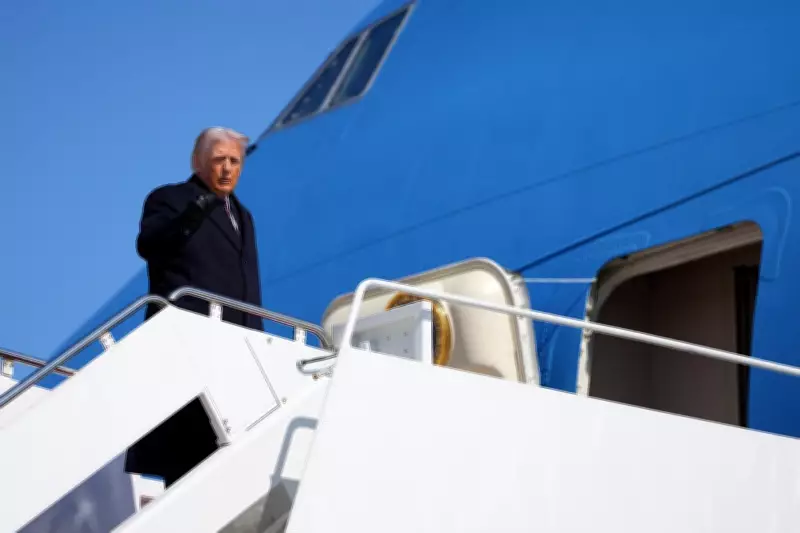
The timing of this announcement coincides with Trump's travel activities, as he was photographed boarding Air Force One at Joint Base Andrews in Maryland en route to Corpus Christi, Texas. This backdrop adds a layer of political theater to the statement, highlighting its potential role in ongoing domestic and international narratives.

Historical and Geopolitical Context
Cuba has long been a focal point in U.S. foreign policy, with relations fluctuating between hostility and cautious engagement. The Trump administration previously rolled back Obama-era policies that aimed at normalizing ties, reinstating stricter sanctions. This new proposal of a 'friendly takeover' marks a departure from those punitive measures, suggesting a more assertive yet ostensibly cooperative approach.
International reactions are mixed, with some viewing it as an opportunity for economic development in Cuba, while others express concerns about sovereignty and neo-colonial implications. The Cuban government has not yet issued an official response, but historical precedent indicates likely resistance to any perceived infringement on national autonomy.
Potential Implications and Analysis
If pursued, this policy could have far-reaching consequences:
- Economic Impact: A takeover might open Cuba to U.S. businesses and investments, potentially boosting its economy but also raising questions about dependency and control.
- Political Ramifications: It could alter the balance of power in the Caribbean, affecting relations with other nations in the region and beyond.
- Domestic Reception: Within the U.S., the proposal may polarize opinions, with supporters praising it as a strategic move and critics decrying it as interventionist.
Experts note that the term 'friendly takeover' is ambiguous, leaving room for interpretation and negotiation. It may signal a softer approach compared to historical U.S. actions in Latin America, but the underlying intent remains a topic of debate.
As discussions unfold, the global community will be closely monitoring developments, assessing how this proposal aligns with broader trends in international diplomacy and economic strategy. The outcome could redefine U.S.-Cuba relations for years to come, making this a pivotal moment in contemporary geopolitics.