Former United States President Donald Trump is preparing for a significant diplomatic encounter with Venezuelan opposition leader Maria Corina Machado. This planned meeting comes in the wake of Trump's recent political overtures towards the successor of President Nicolas Maduro's government, marking a notable shift in the approach to the long-standing Venezuelan crisis.
A Strategic Diplomatic Pivot
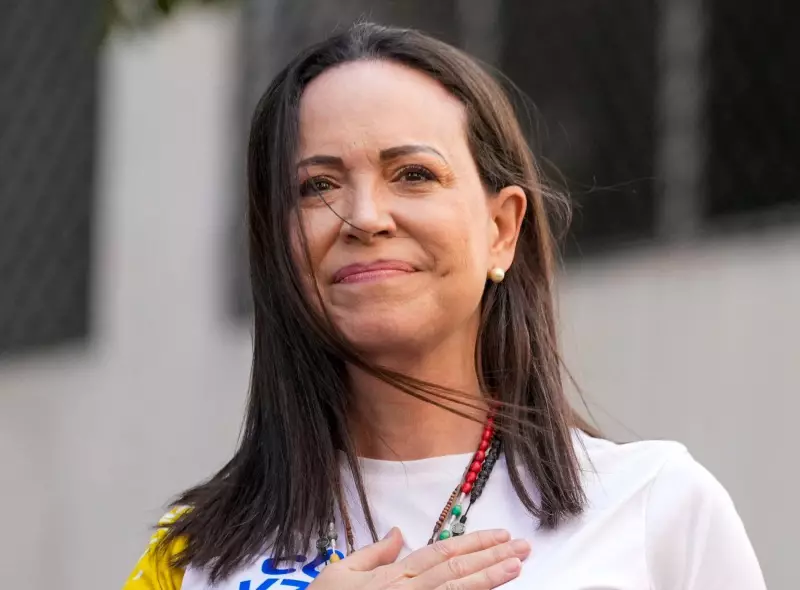
The meeting, set for January 15, 2026, represents a strategic pivot in Trump's engagement with Venezuelan factions. For years, Machado has been a central figure in the opposition movement against the socialist government of Nicolas Maduro. Her prominence was notably visible during protests in Caracas on January 9, 2025, the day before Maduro's controversial inauguration for a third term.
This engagement follows a period where Trump appeared to be building a rapport with the political forces that have assumed power following Maduro's tenure. Analysts suggest this dual-track approach—engaging both the government and its opposition—could be an attempt to position himself as a potential mediator or to leverage influence regardless of which side holds power.

The Key Players and Stakes
Maria Corina Machado is a veteran politician and former legislator known for her staunch criticism of Maduro's administration. She has consistently advocated for democratic reforms and has been a symbol of resistance for many Venezuelans opposing the current regime.
The context of this meeting is deeply rooted in Venezuela's protracted political and economic crisis. The country has suffered from hyperinflation, mass emigration, and severe shortages of basic goods under Maduro's leadership, which began after the death of Hugo Chavez. The international community, including Canada, has been divided on how to address the situation, with some nations recognizing opposition leader Juan Guaidó as interim president in 2019, while others continued to engage with Maduro's government.
Implications for Hemispheric Relations
Trump's re-emergence on this foreign policy stage carries substantial weight. His administration previously imposed heavy sanctions on Venezuela's oil sector and recognized Guaidó, taking a hardline stance against Maduro. A meeting with Machado signals a continued, if not renewed, interest in the opposition's cause, even as he explores channels with the current government's successors.
For Canadian policymakers and observers, this development is particularly relevant. Canada has been a vocal supporter of democratic processes in Venezuela and a critic of the Maduro regime's human rights record. Shifts in U.S. strategy, especially from a figure like Trump who may again seek the presidency, could influence the broader international coalition's approach to Caracas.
The outcome of this dialogue could signal future directions for U.S.-Venezuela relations, impacting everything from global oil markets to regional stability in Latin America. It also underscores the complex, often contradictory, nature of diplomacy where actors simultaneously engage with opposing sides of a conflict.