Former U.S. President Donald Trump has publicly commended the governments of the Democratic Republic of Congo (DRC) and Rwanda following the signing of a significant peace agreement mediated by the United States. The deal, finalized in recent days, represents a critical diplomatic effort to stabilize a region with a history of violent conflict.
Context of the Conflict and the Deal
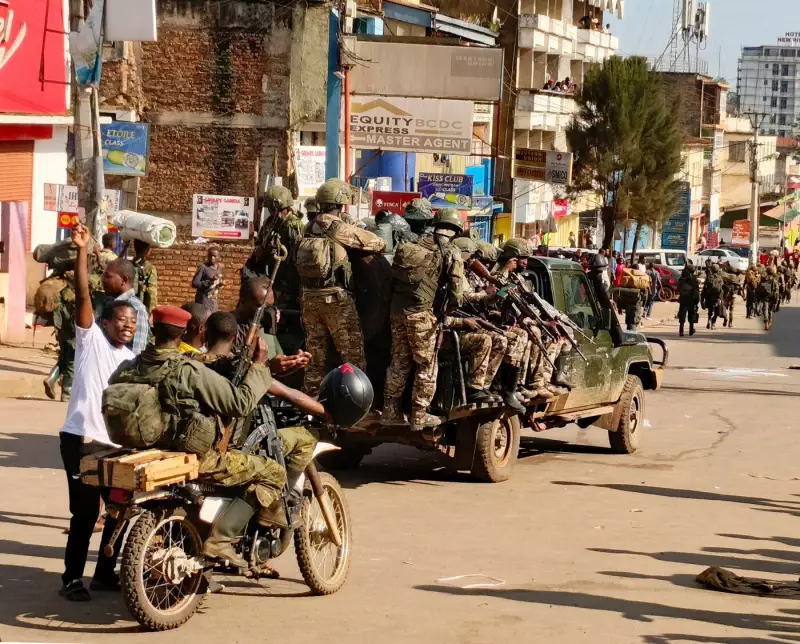
The peace agreement comes against a backdrop of prolonged instability in eastern Congo, where the M23 rebel group has been a major destabilizing force. As recently as February 16, 2025, M23 fighters entered the center of Bukavu, the second-largest city in east Congo, and seized control of the administrative office for South Kivu province. This bold incursion highlighted the severe security challenges facing the Congolese government and the broader Great Lakes region of Africa.
The tensions have frequently involved accusations against Rwanda of supporting the M23 rebels, a claim Kigali has denied. The newly signed U.S.-brokered deal is designed to address these deep-seated issues, fostering direct dialogue and commitments between the two neighboring nations to cease hostilities and support regional stability.
Trump's Role and Reaction
While the detailed terms of the agreement have not been fully disclosed, the mediation led by American diplomats underscores continued U.S. engagement in African geopolitics. Donald Trump, who has previously expressed opinions on foreign policy matters since leaving office, issued praise for both Congolese and Rwandan leaders for their willingness to negotiate.
His commendation signals approval of the diplomatic breakthrough, framing it as a positive step toward peace. The involvement of a former U.S. president in commenting on the event also draws significant international attention to the accord and the ongoing situation in Central Africa.
Implications for Regional Stability
If successfully implemented, this peace deal could mark a turning point for eastern Congo, an area rich in natural resources but afflicted by decades of conflict involving numerous armed groups. The agreement's focus is likely on securing a lasting ceasefire, addressing the root causes of the M23 insurgency, and establishing a framework for cooperative security between the DRC and Rwanda.
Regional analysts will be watching closely to see if the pact leads to a tangible reduction in violence and displacement. The capture of Bukavu's administrative center by rebels earlier this year serves as a stark reminder of what is at stake. The success of this U.S.-mediated effort could pave the way for more comprehensive peacebuilding and economic development in the heart of Africa.