Trump Orders Reopening of Venezuelan Airspace to Commercial Aviation
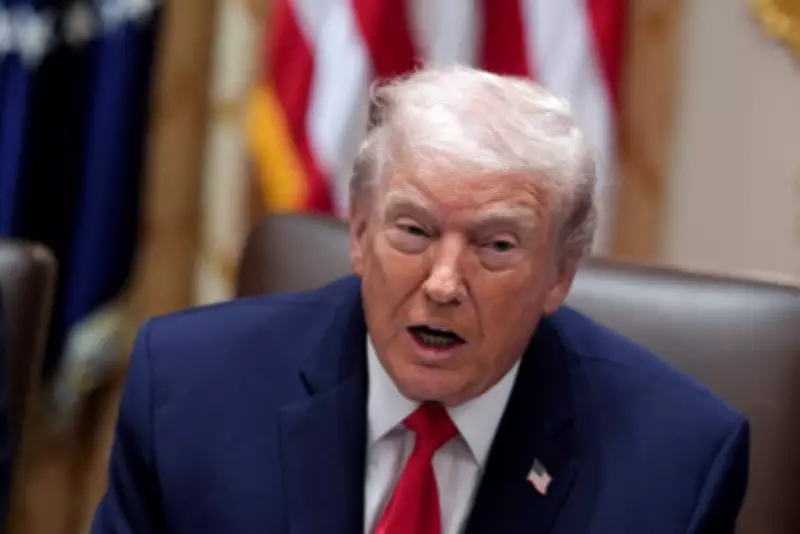
In a notable foreign policy announcement, U.S. President Donald Trump has directed American officials to reopen Venezuelan airspace for commercial travel. The declaration came during a cabinet meeting held at the White House on Thursday, January 29, 2026.
A Shift in Aviation and Diplomatic Policy
This directive marks a significant change in the United States' approach to Venezuela. For years, airspace restrictions have been a component of broader economic and diplomatic pressures. By ordering the reopening, President Trump is initiating a shift that could facilitate increased travel and potentially ease certain tensions, though the full diplomatic implications remain to be seen.
The announcement was made publicly from the White House, with the President outlining the instruction to relevant U.S. authorities. The move is poised to affect international airlines and travelers who have faced limitations on routes involving Venezuelan airspace.

Context and Potential Impacts
Reopening the airspace is expected to have several immediate effects:
- Streamlined Flight Paths: Commercial airlines could resume more direct routes through the region, potentially reducing flight times and operational costs.
- Travel and Commerce: The change may ease travel for individuals and could influence commercial logistics and connectivity.
- Diplomatic Signal: While framed as a travel measure, the decision is likely to be interpreted within the broader context of U.S.-Venezuela relations.
The practical implementation will now fall to U.S. aviation and state department officials, who must coordinate the technical and regulatory steps to enact this presidential directive. The development underscores the ongoing evolution of U.S. foreign policy in the region under the current administration.