Trump Announces Major Shift in U.S.-Venezuela Relations with Airspace Opening
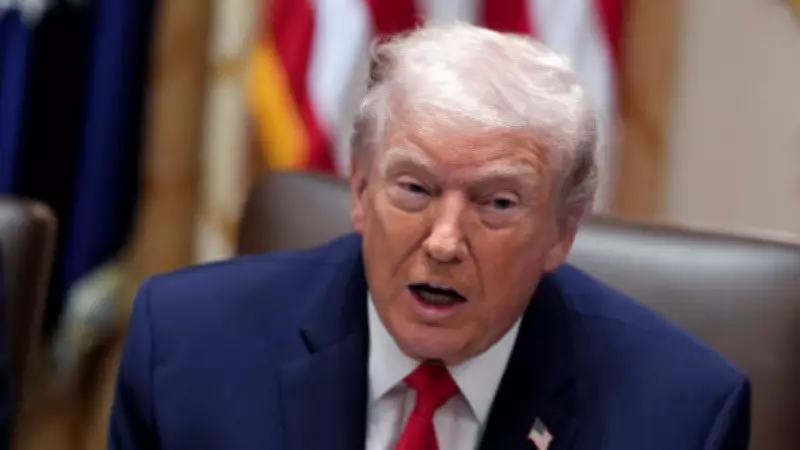
In a significant development in foreign policy, President Donald Trump has declared that the United States will open all commercial airspace over Venezuela, with American citizens expected to be able to visit the country shortly. The announcement was made on Thursday, marking a potential thaw in long-strained diplomatic ties between the two nations.
Immediate Action on Airspace and Diplomatic Moves
President Trump stated that he has instructed U.S. Transportation Secretary Sean Duffy and military leaders to implement the airspace opening by the end of the day. "American citizens will be very shortly able to go to Venezuela, and they'll be safe there," Trump emphasized, signaling a shift from previous warnings.
This move comes alongside efforts to potentially reopen the U.S. Embassy in Caracas, which has been shuttered since diplomatic relations collapsed in 2019. Earlier this week, the Trump administration notified Congress of its intent to take initial steps toward resuming embassy operations, as outlined in letters to 10 House and Senate committees.

Phased Approach to Embassy Reopening
The State Department, in a notice dated Monday and obtained by The Associated Press, detailed a phased approach to potentially resume Embassy Caracas functions. The department is sending a growing contingent of temporary staffers to conduct select diplomatic activities, indicating a cautious but proactive strategy.
This development follows a U.S. military raid that ousted then-President Nicolás Maduro, paving the way for renewed engagement. The administration's actions suggest a broader effort to restore relations with Venezuela, a key South American country.
Contrast with Current Travel Advisories
Despite the optimistic announcement, the State Department's travel advisory for Venezuela remains at its highest level, "Do not travel," as of Thursday. The advisory warns Americans of risks including:
- Wrongful detention
- Torture
- Kidnapping
- Other security threats
This discrepancy highlights the complexities involved in normalizing relations, as safety concerns persist even as diplomatic channels reopen. The collapse in 2019 led to severe travel restrictions, and any change will require careful coordination.
As the situation evolves, stakeholders will monitor how the airspace opening and embassy plans align with ongoing security assessments, shaping the future of U.S.-Venezuela interactions.