Shah's Widow: Iran's System Won't 'Automatically' Collapse After Khamenei's Death
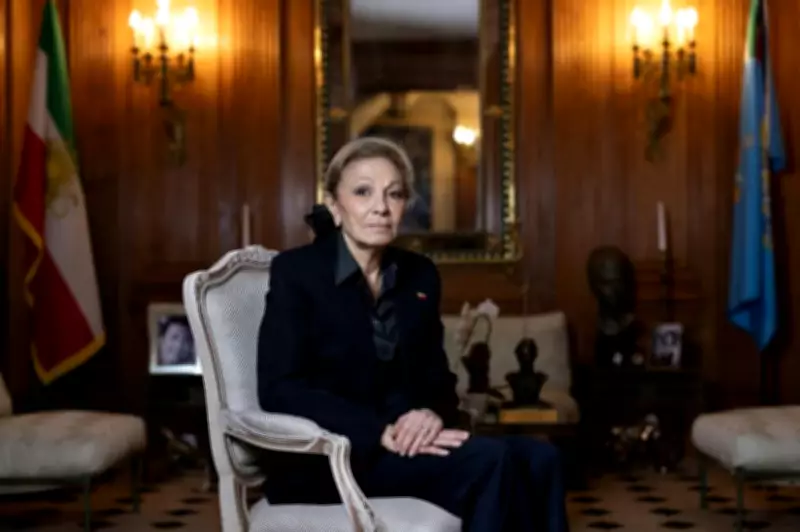
The widow of Iran's last monarch has stated that the death of Supreme Leader Ali Khamenei, while historically significant, will not automatically lead to the collapse of the Islamic Republic's political system. Farah Pahlavi, speaking in an interview three days after U.S.-Israeli strikes reportedly killed Khamenei, emphasized that individual leadership changes don't necessarily dismantle established power structures.
Architecture of Power Beyond Individuals
"The passing of a man — however central he may be to the architecture of power — does not automatically mean the end of a system," declared the 87-year-old former empress, who has lived in exile in Paris since the 1979 revolution overthrew her husband's regime. Her comments come amid heightened regional tensions following military actions against Iranian targets.
Pahlavi, who was driven from Iran alongside Shah Mohammad Reza Pahlavi during the Islamic Revolution, stressed that what will prove decisive is "the ability of the Iranian people to unite around a peaceful, orderly and sovereign transition to a state governed by the rule of law." She revealed that her son, Reza Pahlavi, "is in the process of preparing" for such a potential transition scenario.

Call for International Support of Iranian People
The exiled royal urged the global community to prioritize the fundamental rights of Iranians over geopolitical calculations. "What I want is for the international community to clearly support the fundamental rights of Iranians: the right to choose their leaders, to express themselves freely, to live in dignity and prosperity," she asserted. "The support must go to the people, not to geopolitical calculations."
Pahlavi also made a direct appeal to Iranian authorities "to show restraint and avoid any bloodshed" during this period of uncertainty. Her warning follows violent crackdowns in Tehran during January unrest, where the U.S.-based Human Rights Activists News Agency documented more than 7,000 deaths, primarily protesters, with indications that the actual toll was likely higher.
Positioning for Potential Transition
Reza Pahlavi, the former crown prince who hasn't returned to Iran since before the revolution, has positioned himself as a potential alternative leader should the Islamic Republic falter. In a social media post coinciding with his mother's interview, he called for national unity among Iran's ethnic minorities and appeared to discourage separatist movements seeking to exploit the current instability.
The Pahlavi family's statements emerge during a particularly volatile period in Iranian politics, marked by:
- External military pressures from international adversaries
- Internal unrest and protest movements
- Questions about leadership succession mechanisms
- Geopolitical tensions affecting regional stability
While acknowledging Khamenei's death as a momentous event, Farah Pahlavi's analysis suggests that systemic change requires more than the removal of individual figures, emphasizing instead the crucial role of popular mobilization and international pressure in shaping Iran's political future.