The landscape of the occupied West Bank is undergoing a significant and concerning shift, as new Israeli settler outposts rapidly spread among Palestinian villages. This expansion is fueling deep-seated fear among local communities of more violent attacks and heightened tensions.
A Growing Presence and Rising Tensions
These small, often makeshift outposts are being established at an increasing pace. They typically consist of a few caravans or tents placed on hilltops, strategically located near existing Palestinian towns and farmlands. The movement of settlers into these areas is viewed by Palestinians and international observers as a deliberate effort to fragment Palestinian territory and solidify Israeli control.
The situation creates a constant atmosphere of apprehension for Palestinian residents. Many fear that the proximity of these new outposts will lead to more frequent confrontations, harassment, and property damage. The presence of armed settlers near their homes and agricultural lands, which are vital for livelihoods like olive harvesting, is a primary source of this anxiety.

Impact on Daily Life and Security
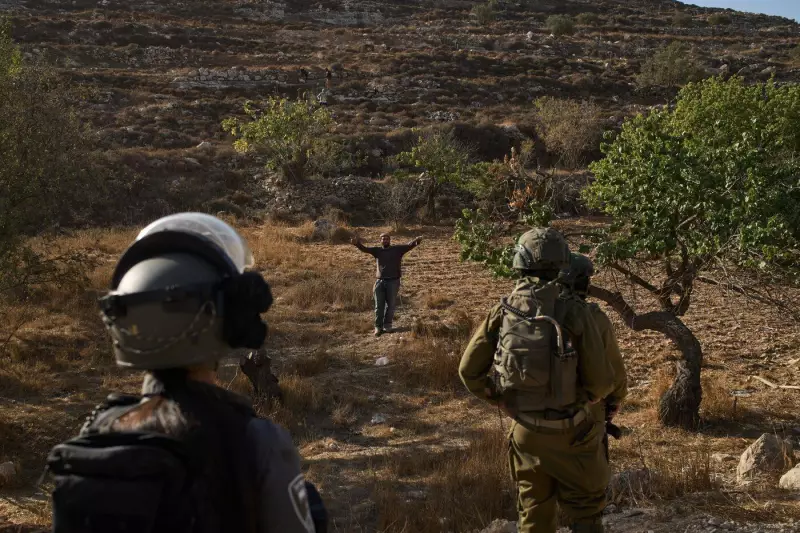
The practical consequences for Palestinian villagers are immediate and severe. Access to their own land for farming, particularly during critical seasons like the olive harvest, is often blocked or becomes dangerous. There are numerous reports of settlers, sometimes accompanied by Israeli soldiers, preventing farmers from reaching their groves.
This not only causes significant economic hardship but also represents a profound loss of autonomy and security. The fear of attack while working on one's own land or traveling between villages has become a daily reality for many, altering the social and economic fabric of these communities.
Broader Context and International Concern
This wave of outpost expansion occurs within the broader context of the ongoing Israel-Hamas conflict and longstanding Israeli-Palestinian tensions. While outposts are technically considered illegal under Israeli law, they frequently receive tacit support or later gain official authorization, evolving into permanent settlements.
The strategy of establishing facts on the ground through these outposts complicates any potential future negotiations for a two-state solution. International bodies and human rights groups have repeatedly criticized the settlement enterprise as a violation of international law and a major obstacle to peace. The latest spread of outposts is seen as a direct contributor to instability and a potential catalyst for further violence in an already volatile region.
The international community, including Canada, closely monitors these developments, often calling for restraint and the protection of civilian lives on all sides. However, on the ground, the immediate reality for West Bank villagers is one of growing encroachment and a pervasive fear for their safety and future.