Seif al-Islam Gadhafi, Son of Libya's Late Dictator, Reported Killed in North African Country
Officials have confirmed the death of Seif al-Islam Gadhafi, the son of Libya's former dictator Muammar Gadhafi, in a north African nation. This event marks a pivotal moment in the ongoing political turmoil that has gripped the region since the 2011 uprising and subsequent fall of the Gadhafi regime.
A Legacy of Conflict and Controversy
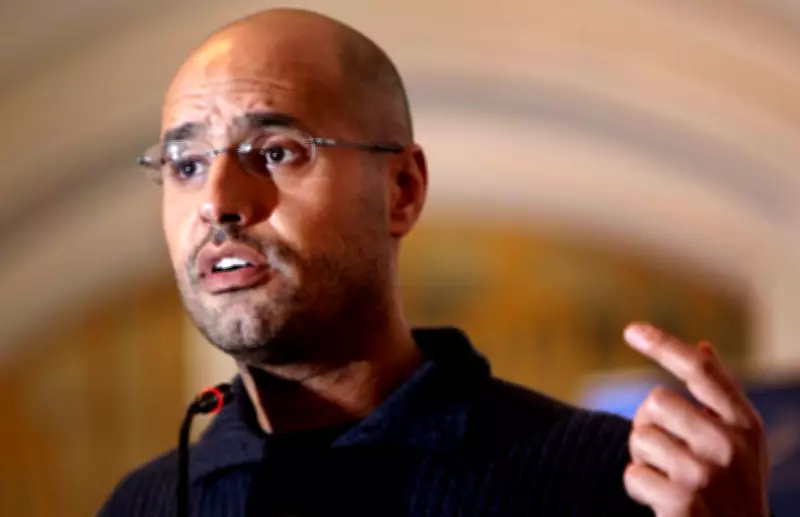
Seif al-Islam Gadhafi was a prominent figure during his father's rule, often seen as a potential successor. In a notable appearance on February 25, 2011, he addressed the media at a press conference in a Tripoli hotel, attempting to defend the regime amidst growing protests. His capture and later release during the civil war kept him in the international spotlight, with his whereabouts and activities remaining a subject of speculation and concern for years.
Implications for Regional Stability
The killing of Seif al-Islam Gadhafi is expected to have significant repercussions for Libya and the broader North African region. It could influence power dynamics among various factions vying for control in Libya's fragmented political landscape. Analysts suggest that this development might escalate tensions or, conversely, pave the way for new alliances, depending on the circumstances surrounding his death and the reactions from key stakeholders.

Official Statements and Verification
While details are still emerging, officials have stated that the incident occurred in a north African country, though the exact location and cause of death have not been fully disclosed. Authorities are likely conducting investigations to verify the reports and assess the broader security implications. This event underscores the volatile nature of post-Gadhafi Libya and the challenges in achieving lasting peace and stability in the area.
The death of Seif al-Islam Gadhafi adds another chapter to the complex history of Libya's transition, highlighting the enduring impact of the Gadhafi era on contemporary geopolitics. As more information becomes available, it will be crucial to monitor how this event shapes future political and security developments in North Africa.