Sources within Saudi Arabia are reporting a notable shift in the kingdom's long-standing social policies, with authorities quietly easing restrictions on alcohol for certain foreign residents. This move represents a significant, albeit controlled, relaxation of one of the nation's most iconic prohibitions.
A Cautious Opening for Expatriates
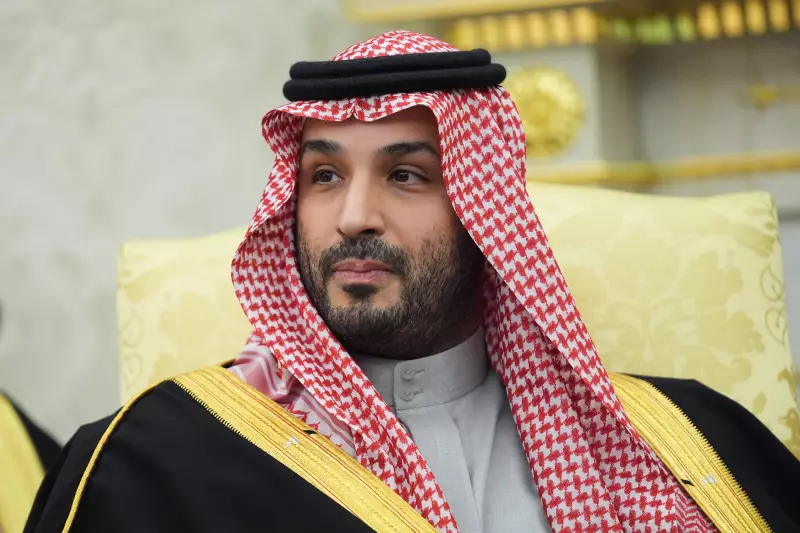
According to information from residents, the new policy allows a broader segment of the non-Muslim expatriate community to legally access alcohol through regulated channels. This is not a blanket legalization but a targeted measure for specific diplomatic and professional quarters. The change appears to be part of the broader Vision 2030 reform agenda spearheaded by Crown Prince Mohammed bin Salman, aimed at modernizing the economy and improving the quality of life for international workers.
Context of Broader Reforms
This development follows a series of social reforms enacted in recent years under the Crown Prince's leadership. Saudi Arabia has already introduced changes such as allowing cinemas, hosting international entertainment events, and loosening restrictions on women's dress and mobility. The adjustment to alcohol rules is seen as another step to make the country more attractive to foreign talent and investment, which are crucial pillars of its economic diversification plans away from oil dependency.

The policy shift is being implemented with discretion. Access is believed to be managed through a quota system linked to specific residential compounds or licensed venues, maintaining strict control and keeping consumption away from public view. This approach aims to balance international expectations with local cultural and religious sensitivities.
Implications and International Reaction
For the large expatriate community in Saudi Arabia, which numbers in the millions, this change addresses a frequent point of discussion. It is likely to be welcomed by many foreign professionals and diplomats as a sign of increasing openness. However, the move is also delicate, as alcohol remains completely forbidden in Islam. The government's careful, phased implementation suggests an awareness of potential domestic criticism.
Observers note that while this is a substantial policy evolution, Saudi Arabia's overall legal framework regarding alcohol for its citizens remains unchanged. The focus is squarely on creating a more accommodating environment for the foreign workforce essential to the kingdom's future economic vision. This measured step underscores the complex path of social change underway in one of the world's most conservative nations.