U.S. Secretary of State Issues Forceful Warning to Venezuela During Congressional Hearing
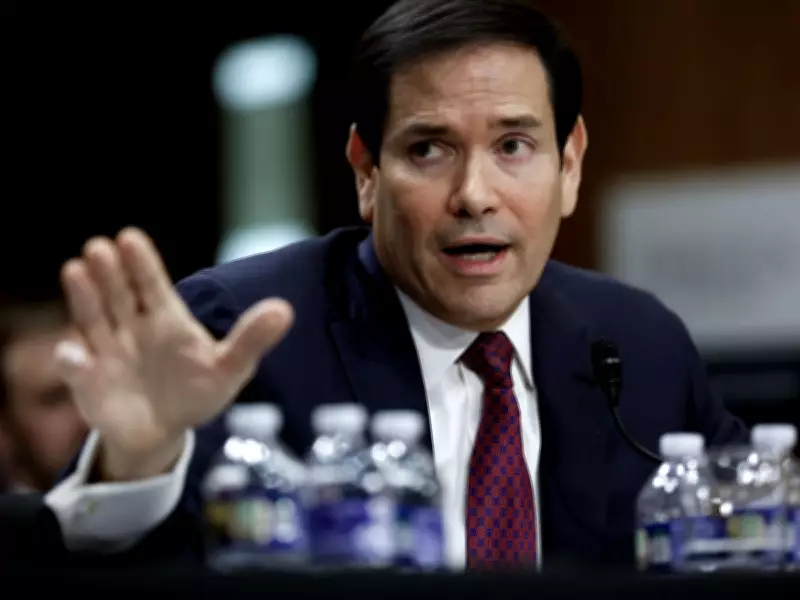
In a significant development in U.S.-Venezuela relations, Secretary of State Marco Rubio delivered stark testimony before the Senate Foreign Relations Committee on January 28, 2026, stating that the Trump administration stands ready to employ military force to ensure Venezuela's cooperation with American objectives.
This marked Rubio's first public appearance before Congress since the controversial January 3 raid that resulted in the capture of former Venezuelan President Nicolás Maduro, who now faces narco-terrorism charges in a New York jail.
Specific Demands and Diplomatic Pressure
During his prepared remarks, Rubio outlined specific commitments obtained from Venezuela's acting President Delcy Rodríguez, including:

- Opening Venezuela's energy sector to U.S. companies
- Providing preferential access to Venezuelan oil production
- Utilizing oil revenue to purchase American goods
"We are prepared to use force to ensure maximum cooperation if other methods fail," Rubio declared in his statement. "It is our hope that this will not prove necessary."
Democratic Opposition and International Concerns
The hearing revealed significant political divisions, with Democratic lawmakers strongly criticizing the administration's approach. Senator Jeanne Shaheen, the committee's top Democrat, characterized the U.S. strategy as problematic, stating that "we've traded one dictator for another" by working with Rodríguez, who served as Maduro's vice president for over seven years.
Shaheen further argued that Rodríguez's cooperation appears "tactical and temporary" rather than representing a genuine shift in Venezuela's alignment with nations like Iran, China, and Russia.
Military Buildup and Economic Measures
The Trump administration has taken several concrete steps to pressure Venezuela, including:
- Deploying a fleet of military vessels to the Caribbean Sea in late 2025
- Interdicting at least seven tankers used to export Venezuelan oil
- Targeting vessels allegedly connected to drug cartels
- Pivoting focus to Venezuela's oil industry since mid-December
President Trump has accused Venezuela's socialist government of stealing U.S. assets while touting a post-Maduro agreement that could send up to 50 million barrels of oil to the United States.
Domestic Unrest and Diplomatic Meetings
Rodríguez faces growing domestic challenges, with public-sector groups and leftist parties expressing discontent over plans to overhaul Venezuela's oil industry. Earlier this week, she stated that Venezuela "had enough" of U.S. interference in its affairs.
Following the Senate hearing, Rubio planned to meet with popular opposition leader Maria Corina Machado at the State Department, highlighting the complex diplomatic landscape the administration navigates in pursuing its Venezuela policy.
The hearing underscored the Trump administration's willingness to employ both economic pressure and military force to achieve foreign policy objectives in Venezuela, while revealing significant congressional divisions over the approach's legality and long-term implications for U.S. involvement in the region.