U.S. Secretary of State Marco Rubio has articulated a vision for American diplomacy that seeks to navigate the increasingly complex geopolitical landscape in Asia. He asserts that the United States can simultaneously uphold its strong alliance with Japan and pursue productive engagement with China, even as tensions between Tokyo and Beijing reach new heights.
A Delicate Diplomatic Balance
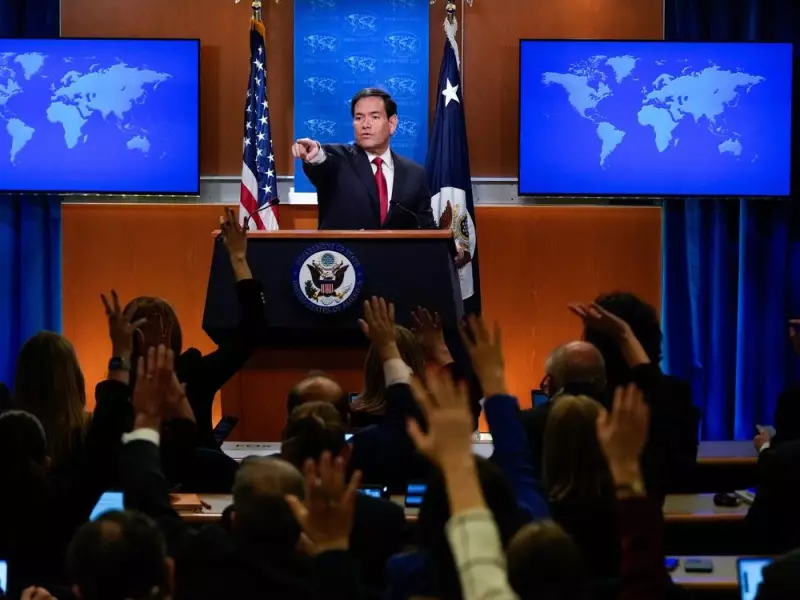
Speaking at a news conference in Washington on Friday, December 19, 2025, Rubio addressed the delicate task facing U.S. foreign policy. "We feel very strongly that we can continue with our strong, firm partnership and alliance with Japan, and do so in a way that continues to allow us to find productive ways to work together with the Chinese," Rubio stated. He acknowledged that points of friction are inevitable, but emphasized that managing this balance is a core responsibility.
The current strain stems from comments made by Japanese Prime Minister Sanae Takaichi, which provoked fury in Beijing. Takaichi suggested that Japanese military forces could potentially become involved in a crisis concerning Taiwan, a self-ruled island that China claims as its own territory. Beijing condemned this as interference in its internal affairs and imposed a series of economic and diplomatic reprisals, demanding a retraction.

Escalating Tensions and U.S. Mediation
The diplomatic row has been marked by dangerous military encounters. Earlier in December 2025, a Chinese fighter jet escalated the standoff by, for the first time, training its fire-control radar on Japanese military aircraft. China accused Japan of disrupting its air exercises, while Tokyo stood firm on its position.
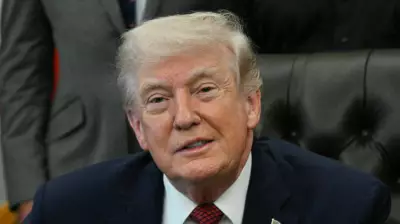
Amid the deteriorating ties between the two Asian neighbors, U.S. President Donald Trump intervened in an attempt to de-escalate the situation. A key motive was to preserve a fragile trade truce his administration has with Beijing. Prime Minister Takaichi has refused to withdraw her controversial remarks, maintaining that Japan's strategic position remains unchanged.
The Imperative of Engagement with China
Despite the clear tensions, Secretary Rubio underscored the necessity of maintaining a relationship with China. He recognized that China will "continue to be a rich and powerful country and a factor in geopolitics," adding, "We have to have relations with them."
The core of Rubio's message is that the U.S. must and can manage the dual imperative of confronting challenges posed by China while seeking areas of collaboration. "We can do that without imperiling or in any way undermining our very firm commitment to our partners in the Indo-Pacific," he affirmed. This statement reinforces the U.S. commitment to its regional allies like Japan, even as it keeps diplomatic channels with Beijing open.
The situation remains a litmus test for U.S. statecraft in an era of great power competition, where alliances and adversarial relationships must often be managed in parallel.