Rafah Crossing Prepares for Limited Reopening Amid Ongoing Gaza Conflict
The Rafah border crossing, a vital lifeline for the Gaza Strip, is preparing to resume limited operations on Monday, February 2, 2026. This development comes as humanitarian efforts intensify in the region, which has been severely impacted by the protracted Israel-Hamas war.
Humanitarian Aid Convoys Await Entry
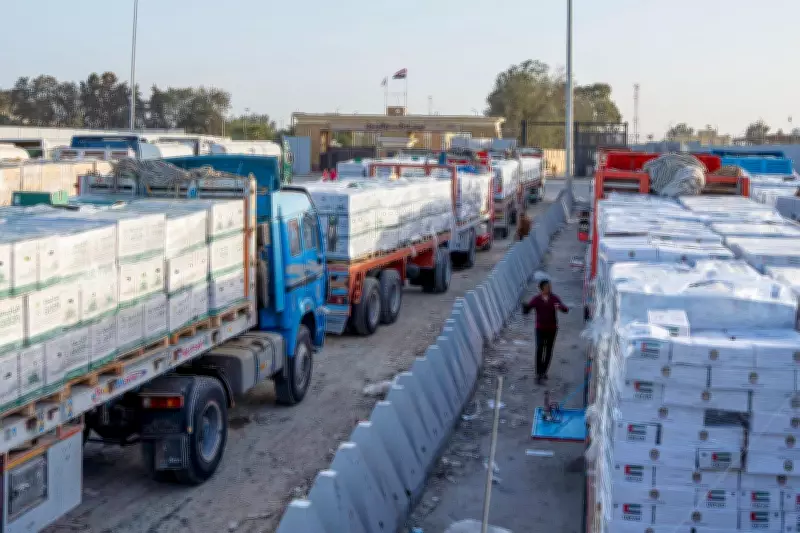
On Sunday, February 1, a line of trucks carrying essential humanitarian supplies was observed queuing at the Egyptian gate of the Rafah crossing. These convoys are destined for inspection by Israeli authorities before being permitted to enter the Gaza Strip. The crossing, located in Rafah, Egypt, serves as a critical conduit for food, medicine, and other aid into the besieged Palestinian territory.
The planned reopening, though limited in scope, represents a significant step in addressing the dire humanitarian situation in Gaza. For months, the flow of aid has been inconsistent, exacerbating shortages of basic necessities for the civilian population. International organizations have repeatedly called for sustained and unimpeded access to deliver assistance.

Context of the Broader Conflict
The move to reopen the crossing occurs against the backdrop of the ongoing Israel-Hamas war, a conflict that has resulted in extensive casualties and infrastructure damage. The Rafah crossing is one of the few points of entry into Gaza not directly controlled by Israel, making its operation crucial for external aid delivery and limited civilian movement.
Previous closures and restrictions at Rafah have severely hampered relief efforts, leaving many in Gaza dependent on irregular aid shipments. The announcement of Monday's limited reopening follows diplomatic pressures and negotiations involving regional and international actors seeking to alleviate the humanitarian crisis.
Operational Challenges and Security Protocols
The process for aid entry remains complex. Trucks must undergo rigorous inspection protocols, as seen on Sunday, to comply with security requirements before proceeding into Gaza. This inspection regime, while necessary from a security standpoint, can create delays in the delivery of time-sensitive aid, such as medical supplies and perishable food items.
Authorities have not yet detailed the full extent of the "limited travel" permitted, including whether it will facilitate the movement of civilians in addition to aid convoys. The crossing's capacity and the duration of this operational window are also key factors that will determine the immediate impact on Gaza's population.
The resumption of activity at Rafah, even on a restricted basis, offers a glimmer of hope for improved aid flow. However, long-term solutions for humanitarian access and a durable ceasefire remain elusive as the conflict continues.