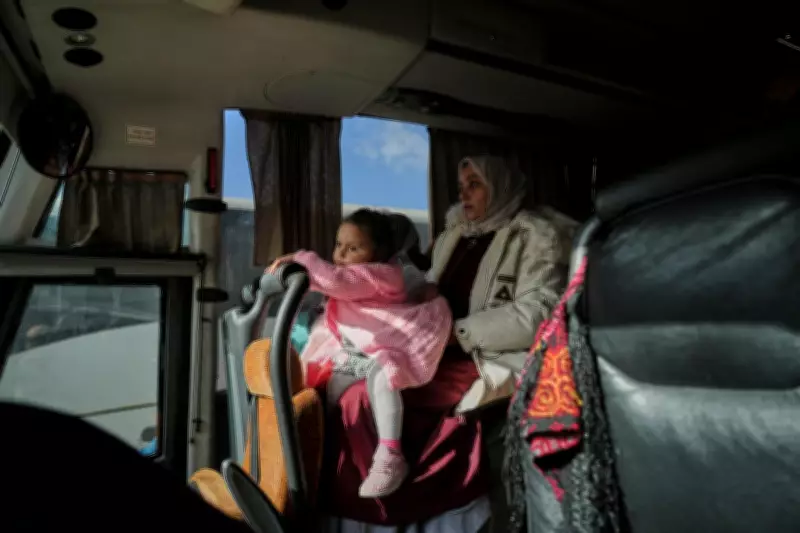
Rafah Border Crossing Reopens with Long Lines of Palestinian Patients
Following a tumultuous initial day of operations, the Rafah border crossing between the Gaza Strip and Egypt has reopened, drawing significant crowds of Palestinians seeking to leave the territory. Among those waiting are numerous patients requiring urgent medical treatment abroad, highlighting the dire healthcare situation in Gaza amid the ongoing Israel-Hamas conflict.
Chaotic Start Gives Way to Patient Queues
The reopening of the crossing on Tuesday, February 3, 2026, was marked by initial confusion and delays, but by the second day, lines had formed as Palestinians, including many ailing individuals, gathered to cross. Reports indicate that buses transported patients from areas like Khan Younis to the Rafah crossing, where they awaited processing for travel to receive medical care outside Gaza.
This development comes as a critical lifeline for Palestinians in Gaza, where healthcare infrastructure has been severely strained by the war. The ability to access specialized treatment abroad is often a matter of life and death for patients with complex conditions that cannot be addressed locally.

Context of the Israel-Hamas Conflict
The Rafah crossing's reopening is a rare point of access for Gazans, as most border points remain heavily restricted due to security concerns and political tensions. The Israel-Hamas war, which has persisted for years, has led to widespread destruction, economic hardship, and a humanitarian crisis in Gaza, making such border openings vital for medical evacuations and other essential movements.
International observers have emphasized the importance of maintaining open corridors for humanitarian aid and patient transfers, but operational challenges often lead to sporadic and unpredictable access. The rocky first day of this latest reopening underscores the logistical and diplomatic hurdles involved.
Impact on Palestinian Healthcare
For Palestinian patients, the opportunity to cross into Egypt represents a chance at survival and recovery. Many suffer from injuries sustained in conflict or chronic illnesses exacerbated by the lack of medical supplies and facilities in Gaza. The process, however, is fraught with uncertainty, as approvals can be slow and subject to changing political dynamics.
As the lines at Rafah continue to grow, the scene serves as a stark reminder of the human toll of the conflict and the urgent need for sustained humanitarian efforts to support those caught in the crossfire.