Russian Leader Comments on Greenland Amid Geopolitical Tensions
In a statement that underscores the complex geopolitical landscape of the Arctic, Russian President Vladimir Putin has declared that the question of who owns Greenland is of no concern to Russia. This remark comes at a time when global attention is increasingly focused on the region's strategic and economic potential.
Putin further estimated that Greenland might be worth approximately US$1 billion, a figure that highlights the island's perceived value in terms of natural resources and strategic positioning. This valuation is particularly notable given the ongoing discussions and interests from other nations, including the United States.
Context of U.S. Interest and Inuit Perspectives
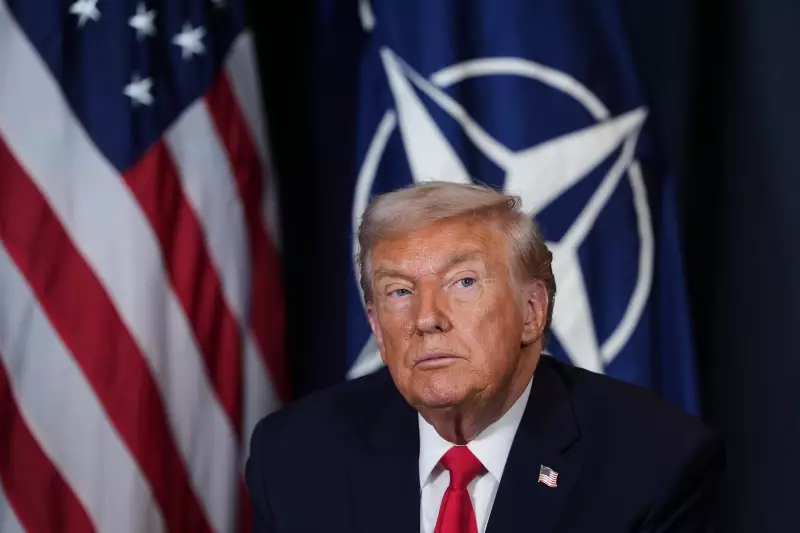
The Russian president's comments follow recent activities by U.S. President Donald Trump, who has previously expressed interest in Greenland. During a meeting with NATO Secretary General Mark Rutte at the World Economic Forum in Davos, Switzerland, Trump discussed Greenland, reflecting the broader international scrutiny on the Arctic territory.

However, Putin's dismissal of ownership concerns contrasts sharply with the views of Indigenous communities. In a related development, a Nunatsiavut leader in Labrador has emphasized that threats against Greenland are attacks on the Inuit people, underscoring the cultural and sovereignty issues at stake for the region's original inhabitants.
Broader Implications for Arctic Relations
This statement from Putin adds another layer to the intricate dynamics of Arctic politics. As climate change opens up new opportunities for resource extraction and shipping routes, nations like Russia, the U.S., and Canada are increasingly vying for influence in the area.
The Russian leader's apparent indifference to Greenland's ownership may be seen as a strategic move to downplay Russia's ambitions in the Arctic, even as the country continues to expand its military and economic presence in the region. Alternatively, it could reflect a pragmatic assessment of the geopolitical realities, where direct claims over Greenland are not currently feasible or desirable for Moscow.
Meanwhile, the Inuit perspective highlights the importance of involving Indigenous peoples in discussions about the Arctic's future. The Nunatsiavut leader's warning serves as a reminder that geopolitical maneuvers must consider the rights and well-being of the communities who have called Greenland home for centuries.
Economic and Environmental Considerations
Putin's $1 billion valuation of Greenland raises questions about the basis for such an estimate. The island is known to possess significant deposits of rare earth minerals, oil, and gas, which could be worth far more in the long term. Additionally, its location offers strategic advantages for military and commercial purposes in the rapidly changing Arctic environment.
However, any development in Greenland must also contend with environmental challenges and the need for sustainable practices. As global temperatures rise, the Arctic is experiencing some of the most dramatic effects of climate change, making responsible stewardship a critical concern for all stakeholders.
In summary, Putin's remarks on Greenland reflect the ongoing geopolitical competition in the Arctic, while also highlighting the complex interplay between national interests, Indigenous rights, and environmental sustainability. As the world watches this frozen frontier, the future of Greenland remains a topic of significant international debate and concern.