European Intelligence Official Alleges Putin's Strategic Gambit in Ukraine Negotiations
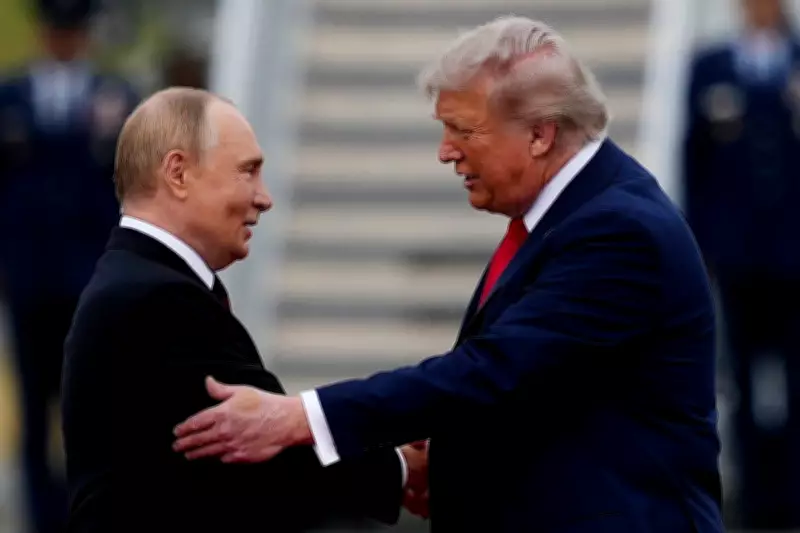
A senior European intelligence chief has issued a stark warning, asserting that Russian President Vladimir Putin operates under the conviction that he can outsmart and outmaneuver the United States during critical peace talks aimed at resolving the ongoing conflict in Ukraine. This assessment highlights the complex geopolitical dynamics at play as international efforts to broker a ceasefire continue.
Putin's Perceived Tactical Advantage in Diplomatic Engagements
The intelligence official, whose identity remains confidential due to the sensitive nature of their role, suggests that Putin views the negotiation table as another battlefield where psychological and strategic leverage can be deployed. This perspective implies a calculated approach by the Kremlin, potentially involving demands or concessions designed to secure long-term Russian interests while testing Western resolve and unity.
Analysts note that such a mindset could complicate diplomatic initiatives, as it may lead to protracted discussions or proposals that favor Moscow's geopolitical objectives. The assertion underscores the deep-seated mistrust between Russia and Western nations, which has been exacerbated by years of sanctions, military posturing, and divergent narratives regarding the war's origins.

Broader Implications for U.S. and European Foreign Policy
This intelligence revelation arrives at a pivotal moment, with various international stakeholders advocating for a peaceful resolution to a conflict that has caused immense humanitarian suffering and economic disruption. The warning serves as a reminder of the intricate challenges facing diplomats and policymakers who must navigate Putin's assertive foreign policy stance.
Experts emphasize that effective counterstrategies will require robust intelligence sharing, cohesive alliances, and a clear understanding of Russia's strategic goals. The situation calls for heightened vigilance to prevent any potential exploitation of negotiation processes that could undermine Ukrainian sovereignty or regional stability.
As global attention remains focused on the war, this insight from a European intelligence chief adds a layer of urgency to the diplomatic efforts, suggesting that the path to peace may be fraught with tactical maneuvering and geopolitical chess moves.