Pope Leo XIV has wrapped up his inaugural international journey, concluding a significant visit to Lebanon with a powerful message directed at the nation's southern region. The Pontiff's trip, which ended on Tuesday, December 2, 2025, was marked by symbolic gestures and a clear focus on solidarity.
A Historic First Voyage Abroad
The newly elected Pontiff, Leo XIV, chose Lebanon as the destination for his first official trip outside the Vatican. His visit underscores the Vatican's ongoing concern for the stability and well-being of the Middle Eastern nation, which has faced prolonged periods of political and economic turmoil.
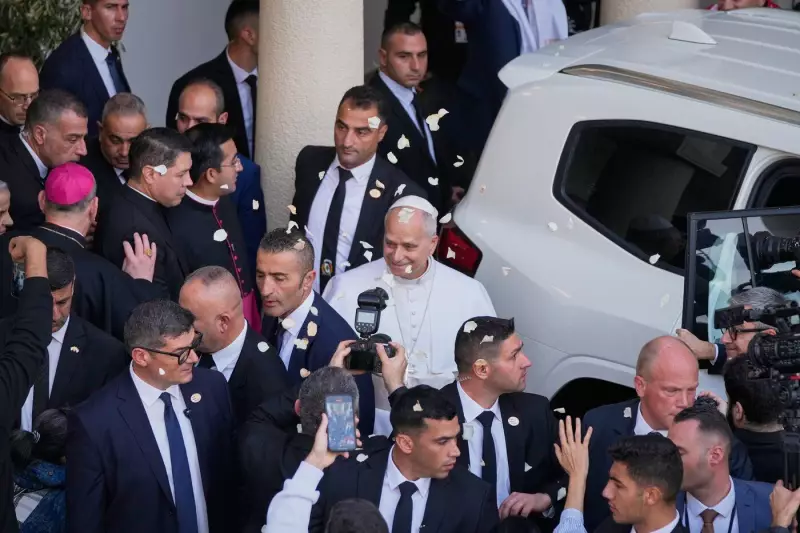
On his final day, the Pope was seen at the Psychiatric Hospital of the Cross in the town of Jal el-Dib, located north of Beirut. As he departed the facility, rose petals were scattered in his path, a traditional sign of respect and honour. The image of the Pontiff amidst the petals became a poignant symbol of his mission of peace.

A Focused Message for Southern Lebanon
As he prepared to depart, Pope Leo XIV made a point to send a specific message of support to the communities in southern Lebanon. This area has frequently been a flashpoint for conflict and tension. His words are seen as a direct appeal for peace and resilience, aiming to offer spiritual comfort to the residents who live in a perpetually volatile zone.
The Pope's decision to highlight the south in his concluding remarks is interpreted by observers as a deliberate diplomatic and pastoral choice. It signals the Vatican's attention to the unique challenges faced by those living on the front lines of regional instability.
Symbolism and the Path Forward
The entire visit, capped by the scene at the psychiatric hospital, emphasized themes of healing, compassion, and outreach to the vulnerable. By visiting a mental health facility, the Pope drew attention to often-overlooked aspects of human suffering in regions affected by chronic strife.
The conclusion of this trip sets a tone for Pope Leo XIV's papacy, suggesting a hands-on approach to international diplomacy and a focus on regions in crisis. The message to southern Lebanon will likely be remembered as a key moment from this initial foray onto the world stage, reinforcing the Vatican's role as a voice for peace in troubled areas.
As the Pontiff returns to Rome, the impact of his words and his choice of Lebanon for his first visit will be analyzed for its long-term effects on Vatican-Lebanon relations and its influence on the broader geopolitical landscape of the Middle East.