Poland and Italy Formally Decline Participation in Trump's Board of Peace Framework
In a notable diplomatic development, the governments of Poland and Italy have publicly declared they will not participate in former United States President Donald Trump's proposed Board of Peace initiative. This announcement represents a significant setback for the international framework that Trump has been advocating since its introduction earlier this year.
Diplomatic Rejections Amid Global Geopolitical Shifts
The decisions by both European nations come at a time of considerable geopolitical realignment and underscore the complex challenges facing new international diplomatic structures. Poland's foreign ministry released a statement emphasizing its commitment to existing European Union security frameworks and multilateral institutions, while Italy cited alignment with broader European foreign policy objectives as primary reasons for its non-participation.
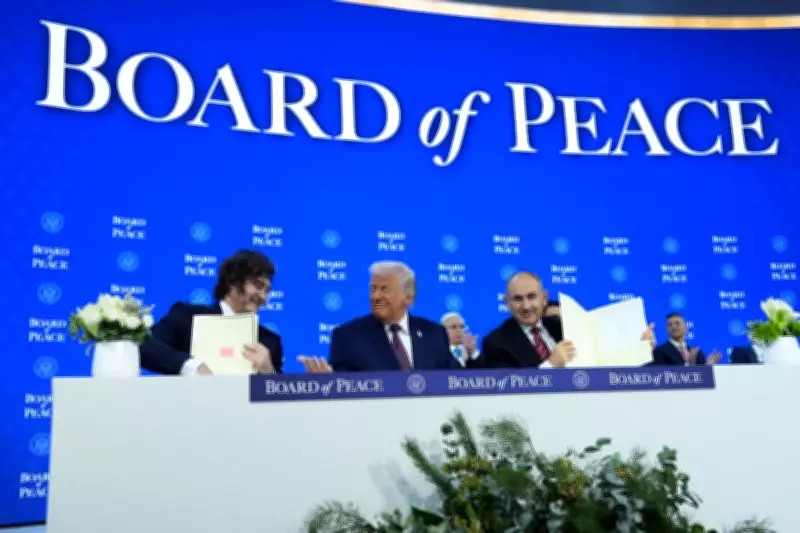
These rejections follow the Board of Peace charter signing ceremony that took place during the Annual Meeting of the World Economic Forum in Davos, Switzerland, on January 22, 2026. The event featured former President Trump alongside Argentine President Javier Milei and Armenian Prime Minister Nikol Pashinyan, who were among the initial signatories to the charter document.

Analyzing the Implications for International Relations
Political analysts suggest that Poland and Italy's decisions reflect broader European skepticism toward initiatives originating outside traditional transatlantic diplomatic channels. The Board of Peace proposal, which Trump has described as a mechanism for conflict resolution and international cooperation, now faces questions about its potential membership base and operational viability without participation from key European nations.
Observers note that both countries have historically maintained strong bilateral relationships with the United States, making their decisions particularly noteworthy. The announcements come amid ongoing discussions about the future of international governance structures and the role of former political leaders in shaping global diplomacy.
Context and Background of the Board of Peace Initiative
The Board of Peace concept was first proposed by Trump following his presidency as an alternative platform for addressing international disputes and fostering economic cooperation. The initiative aims to bring together nations outside traditional United Nations frameworks, though specific operational details and membership criteria remain under development.
European diplomatic sources indicate that several other EU member states are also evaluating their potential participation, with decisions expected in the coming months. The rejections from Poland and Italy may influence how other nations approach the initiative, potentially creating a domino effect that could limit the board's initial membership.
As international relations continue to evolve in the post-2020s era, the response to Trump's diplomatic proposal serves as a barometer for shifting global alliances and the enduring influence of former national leaders on the world stage. The coming weeks will likely reveal whether additional nations follow Poland and Italy's lead or whether the Board of Peace can attract sufficient participation to establish itself as a viable international institution.