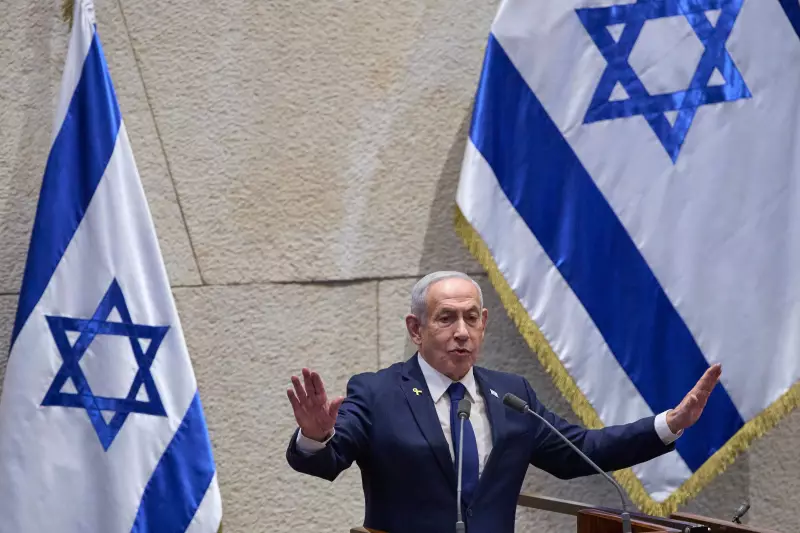
Israeli Prime Minister Benjamin Netanyahu has announced his intention to proceed with a planned visit to New York, despite facing a potential threat of arrest upon arrival. The situation stems from controversial remarks attributed to the Israeli leader.
The Source of the Controversy
The arrest threat is linked to comments Netanyahu reportedly made regarding a prominent Ugandan academic, Mahmood Mamdani. While the exact nature of the remarks has not been fully detailed in the initial report, they have prompted legal scrutiny and the possibility of an arrest warrant being issued in connection with his travel.
The Prime Minister's office has confirmed the trip will go ahead as scheduled, signaling a determination not to let the legal challenge alter his diplomatic agenda. This move sets the stage for a significant diplomatic and legal confrontation.

Diplomatic and Legal Implications
Netanyahu's decision to travel under these circumstances highlights the complex intersection of international law, diplomacy, and free speech. Visits by sitting heads of state to the United Nations headquarters in New York are common, but the shadow of a potential arrest complicates this routine diplomatic engagement.
Analysts suggest the Israeli government likely received assurances regarding his safe passage, given his official status. However, the incident underscores the growing trend of using international legal mechanisms to confront political leaders over statements and policies.
The development is expected to draw intense media coverage and could spark protests both in support of and opposition to the Israeli leader during his time in the United States. The situation remains fluid, with legal experts closely monitoring any filings or actions by U.S. authorities or private parties.
Looking Ahead
As of December 3, 2025, Netanyahu's itinerary and the specific purpose of his New York visit have not been publicly detailed beyond his defiance of the arrest threat. The outcome of this standoff could have lasting implications for how similar cases are handled in the future, potentially affecting the travel protocols for other world leaders facing international legal complaints.
The Prime Minister's stance demonstrates a clear commitment to maintaining his international schedule irrespective of external pressures, framing the issue as a matter of principle and sovereign dignity.