Israeli Leader Advocates for Increased Pressure on Iran in Upcoming Talks with U.S. President
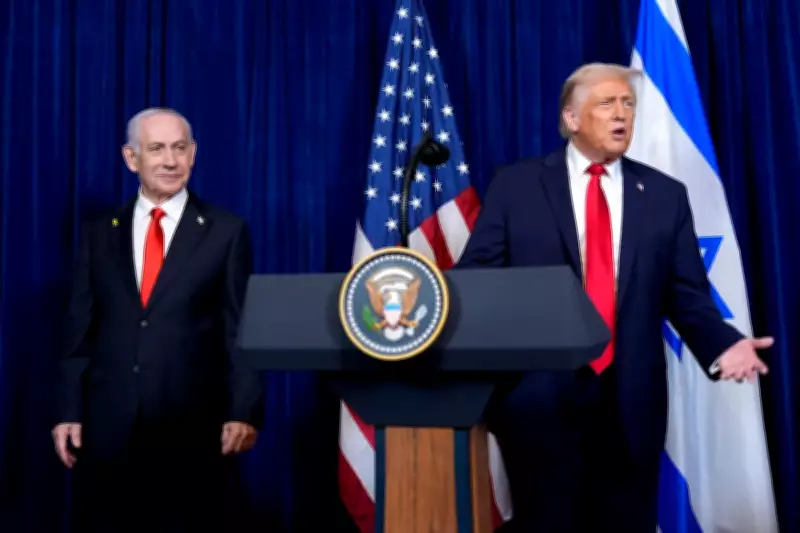
Israeli Prime Minister Benjamin Netanyahu is set to meet with U.S. President Donald Trump this week, with a clear objective: to persuade the American administration to adopt a more stringent approach towards Iran. The high-stakes discussion is scheduled to take place at the Mar-a-Lago resort in Palm Beach, Florida, continuing a pattern of diplomatic engagements between the two allied nations.
Strategic Discussions Aim to Shape Future Policy
According to sources familiar with the agenda, Netanyahu intends to lobby President Trump to demand additional concessions from Iran regarding its nuclear program and regional activities. This meeting follows a previous news conference held at the same location in December 2025, where both leaders addressed media questions and reinforced their nations' strategic partnership. The Israeli government has consistently expressed concerns over Iran's influence in the Middle East and its potential to develop nuclear capabilities.
The timing of this dialogue is particularly significant, as it occurs amidst ongoing international scrutiny of Iran's compliance with existing agreements. Netanyahu's push reflects Israel's longstanding security priorities and its desire for the United States to maintain a firm stance. Analysts suggest that the outcome of these talks could influence broader geopolitical dynamics in the region, potentially affecting diplomatic efforts and military postures.

Context of U.S.-Israel Relations and Global Implications
This upcoming meeting underscores the close, yet sometimes complex, relationship between the United States and Israel. President Trump has previously shown support for Israeli security concerns, but the specific demands Netanyahu will present remain a focal point of speculation. The discussions are expected to cover a range of issues, from economic sanctions to diplomatic strategies aimed at curbing Iranian ambitions.
International observers will be watching closely, as any shift in U.S. policy could have ripple effects across global markets and security alliances. The leaders' ability to find common ground may also impact domestic political landscapes in both countries, where foreign policy decisions often resonate with voters. As the world awaits the results of this pivotal encounter, the emphasis on a tougher line against Iran highlights the ongoing challenges in achieving stability in the Middle East.